.webp)
 Attendance System
Attendance System
.webp) Access Control
Access Control
.webp) Door Security
Door Security
.webp) Turnstile & Entrance Control
Turnstile & Entrance Control
.webp) Security Inspection
Security Inspection
.webp) Parking Management
Parking Management
.webp) Safety Products
Safety Products
.webp) Software
Software
.webp) Other
Other
Manual HR or HR Software: Which One Is the Smarter Choice for Your Business?
July 18, 2026
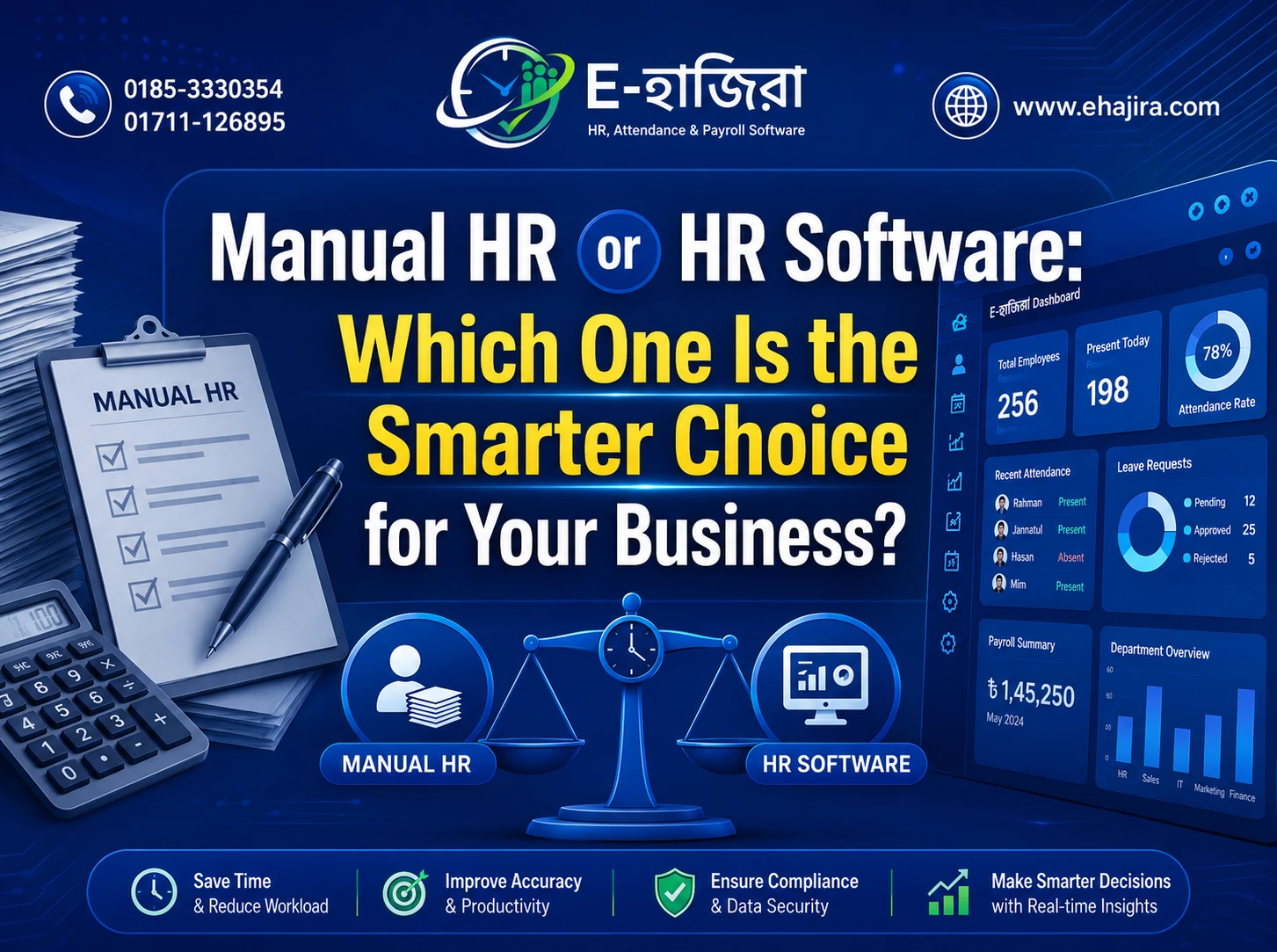
HR sits at the center of every business, whether that business has 8 employees or 800. But the way companies actually manage HR varies wildly — some still run everything through spreadsheets and filing cabinets, while others have moved entirely to digital systems that handle payroll, attendance, and compliance automatically. As a business grows, the gap between these two approaches becomes harder to ignore. This article walks through how manual HR works, where it breaks down, what HR software actually does differently, and how to know when it's time to make the switch.
How Does Manual HR Management Work in Modern Businesses?
Manual HR management refers to handling core people-operations tasks — hiring paperwork, attendance, payroll, leave, performance reviews — without a dedicated digital system. In practice, this usually looks like:
- Employee files stored in physical folders or scattered across individual computers
- Attendance logged through sign-in sheets, punch cards, or a basic spreadsheet
- Payroll calculated manually each cycle, often by copying numbers between files
- Leave requests handled over email or verbally, with no central record
- Performance feedback given informally, rarely documented in a consistent way
Plenty of small businesses still run this way, and for a very lean team it isn't necessarily a bad approach. When there are only a handful of employees, one person can reasonably keep track of everything without much friction. The real question is how well this setup holds up once the business isn't quite so small anymore.
Why Does Manual HR Management Become Difficult as a Business Grows?
The friction in manual HR doesn't show up all at once — it builds gradually, then suddenly becomes obvious. A few of the most common breaking points:
Data gets fragmented. As headcount rises, employee information spreads across more spreadsheets, more folders, more inboxes. Nobody can be fully sure which version is current.
Errors become more expensive. A miscalculated deduction or a missed overtime hour is a minor fix at 10 employees. At 100, it can mean a payroll correction affecting dozens of people — and the trust damage that comes with it.
Compliance tracking gets harder. Labor laws, tax rates, and statutory contributions change periodically, and larger, more complex workforces mean more exposure if something is missed.
HR staff spend their time on the wrong things. Instead of focusing on hiring, retention, or culture, HR ends up buried in repetitive data entry just to keep the basics running.
Leadership loses visibility. Manually compiling headcount, attrition, or cost reports takes real time — so decisions often get made on outdated numbers, or delayed until the report is ready.
None of this is really about any single mistake. It's about a process that was fine for a small, simple team becoming a genuine liability for a larger, more complex one.
What Exactly Is HR Software and How Does It Simplify HR Operations?
HR software — often referred to more broadly as an HRIS (Human Resource Information System) — is a digital platform built to centralize and automate the tasks that manual HR handles by hand. Rather than juggling spreadsheets, paper forms, and email threads, everything runs through one connected system:
- A single employee database, with self-service access for staff
- Automated payroll calculations, tax deductions, and payslip generation
- Digital attendance and leave tracking, with built-in approval workflows
- Structured performance review cycles
- Compliance features that stay updated as regulations shift
- Dashboards and reports generated in real time, not compiled by hand
The simplification isn't just about going paperless. It's about removing the manual steps where errors and delays tend to happen, and giving both HR teams and employees direct access to accurate, current information.
How Can HR Software Improve Efficiency, Accuracy, and Employee Management?
The practical benefits of HR software tend to show up in three areas:
Efficiency. Tasks that used to take hours — running payroll, processing leave requests, generating reports — can often be done in minutes once they're automated. That time goes back into actual HR work: hiring, engagement, planning.
Accuracy. Automated calculations remove the risk of manual copy-paste errors. Deductions, tax withholdings, and leave balances are computed consistently every time, based on the same rules.
Employee management. With self-service portals, employees can check their own payslips, submit leave requests, or update personal details without needing to go through HR for every small change. That reduces back-and-forth and speeds up response times on both sides.
There's also a compounding effect: better data means better decisions. When HR and leadership can see real-time headcount, attrition, and cost trends, they can act on workforce issues before they escalate rather than after.
Manual HR vs HR Software: Which Approach Offers Better Business Value?
| Factor | Manual HR | HR Software |
|---|---|---|
| Accuracy | Prone to human error | Automated and consistent |
| Time investment | High — repetitive manual work | Low — automated workflows |
| Compliance | Manually tracked, higher risk | Built-in, regularly updated |
| Scalability | Struggles as headcount grows | Scales with the business |
| Reporting | Slow, manually compiled | Real-time dashboards |
| Employee experience | Depends on HR turnaround time | Self-service, faster |
| Upfront cost | Low | Requires platform investment |
Manual HR's one real advantage is the lack of upfront cost. But that advantage tends to shrink — or disappear entirely — once you account for the hours spent on manual tasks and the cost of errors that make it through. For most businesses past a certain size, HR software delivers more value over time, even after accounting for the subscription cost.
Why Is Payroll Automation Becoming Essential for Growing Businesses?
Payroll is usually where the limits of manual HR show up first. It's rule-heavy, time-sensitive, and directly tied to employee trust — there's very little room for error. As a business grows, payroll automation shifts from a convenience to something close to a necessity:
- Statutory deductions and tax calculations are applied the same way, every cycle, without manual recalculation
- Payslips are generated and made available automatically, without extra admin work
- The errors that come from re-entering numbers across spreadsheets are eliminated
- Payroll runs that once took days can often be completed in a fraction of the time
Beyond time savings, automated payroll reduces the chance that a small mistake turns into a bigger compliance issue or an employee relations problem — the kind of thing that's much harder to walk back after the fact.
How Does an HRIS Help Businesses Manage Their Workforce More Effectively?
An HRIS goes beyond payroll — it becomes the operational core for workforce management generally. With employee data, attendance, performance, and payroll all connected in one system, businesses get a much clearer picture of:
- Who's on the team, in what role, and how the org is structured
- Attendance and leave trends across teams or departments
- Performance history and review outcomes over time
- Workforce costs and how they're trending
That consolidated view changes how workforce planning happens. Instead of noticing a problem — like rising attrition in one department or overtime creeping up in another — only after it's already caused damage, HR and leadership can spot the pattern early and respond while there's still room to course-correct.
Should Growing Businesses Switch from Manual HR to HR Software?
For a very small team, manual HR can still hold up reasonably well — there's simply not enough volume yet to justify a full system. But once a business starts hiring consistently, adding departments, or expanding into new locations, the case for switching gets stronger fast.
The businesses that run into the most trouble are usually the ones that wait too long — trying to manage an increasingly complex workforce with processes designed for a much smaller one. The switch doesn't need to happen the moment a business starts growing, but it's worth planning for before the manual process becomes a genuine bottleneck rather than a manageable inconvenience.
How Can e-hajira Transform the Way Businesses Manage HR Operations?
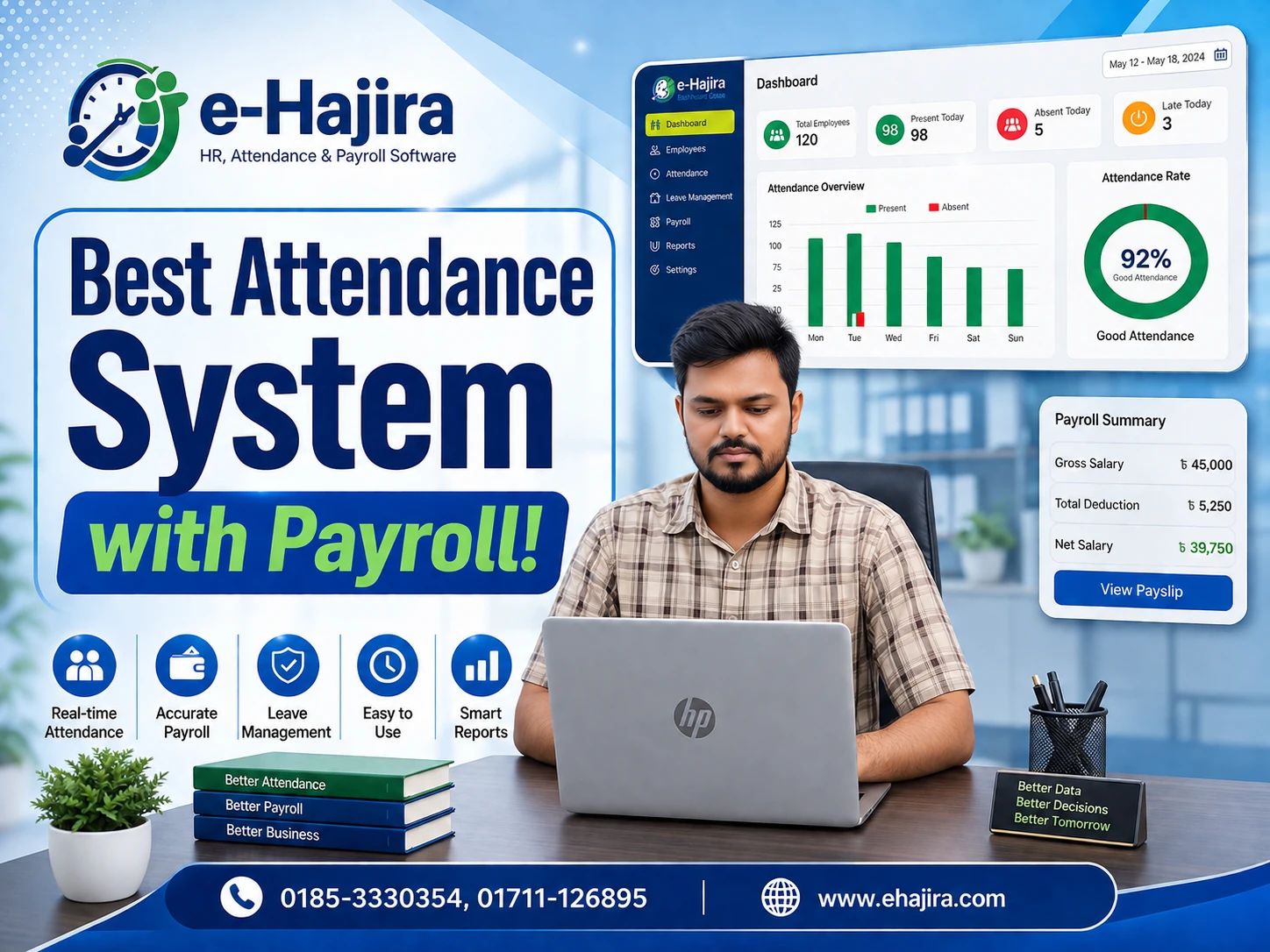
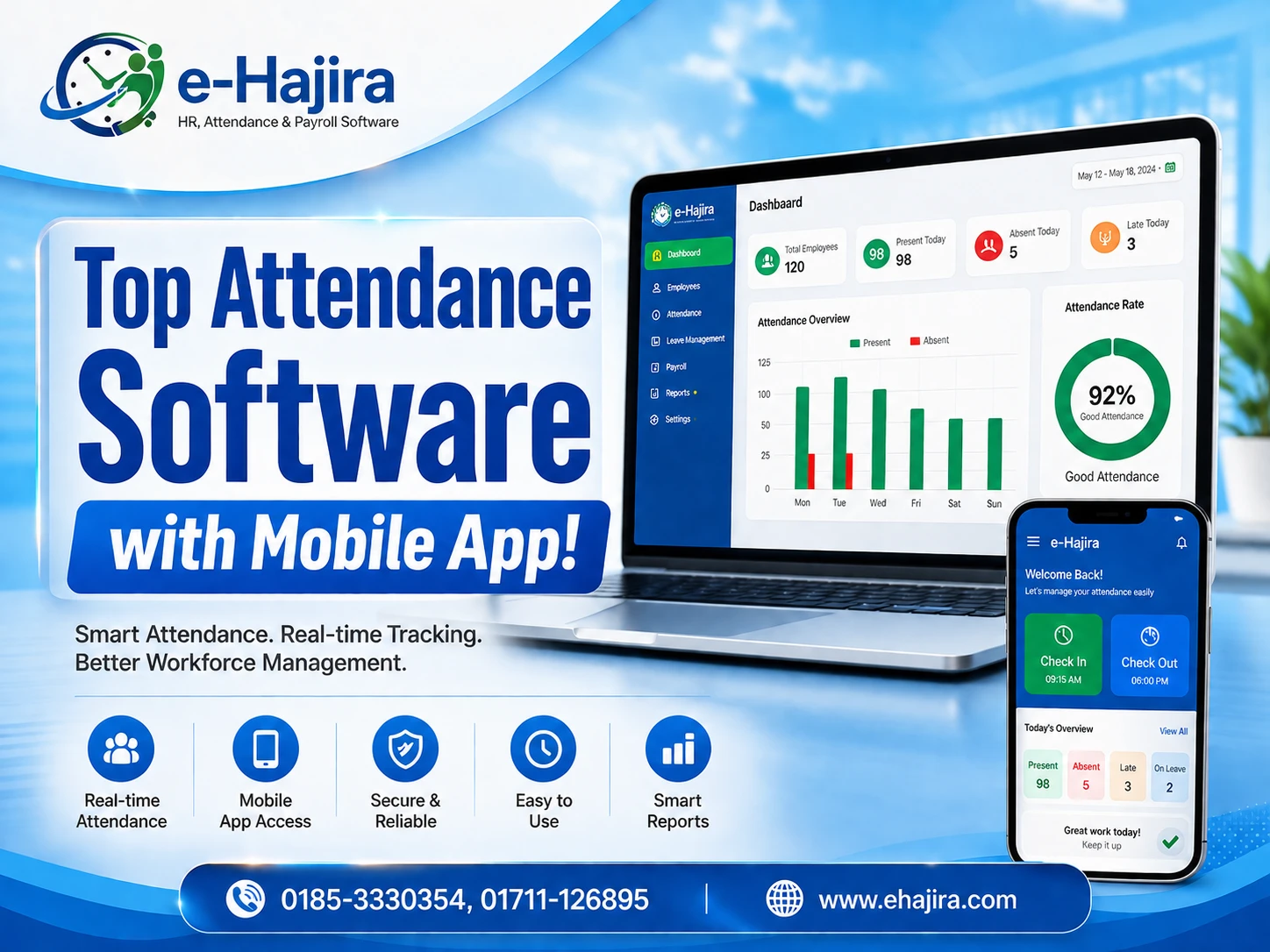
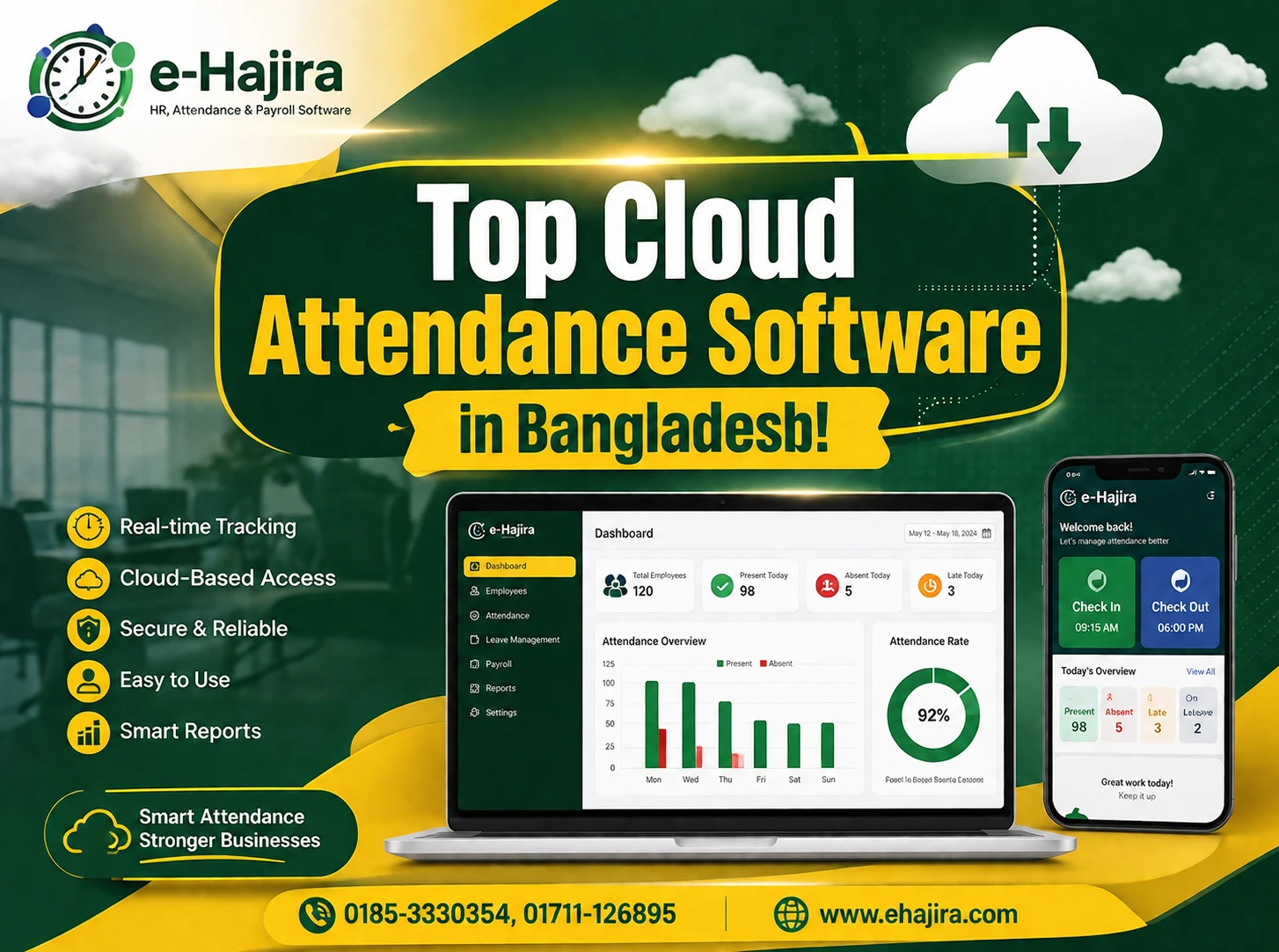
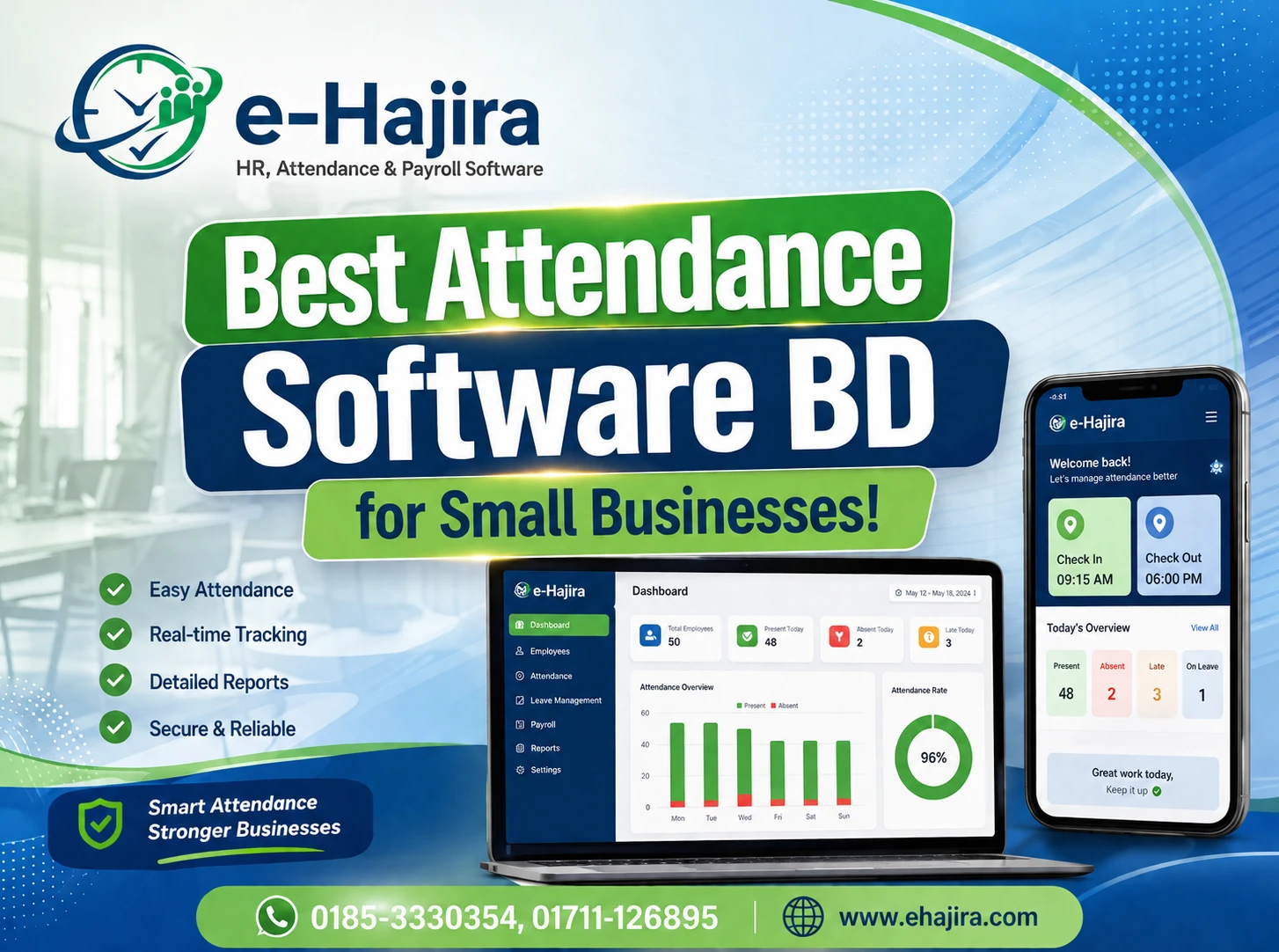
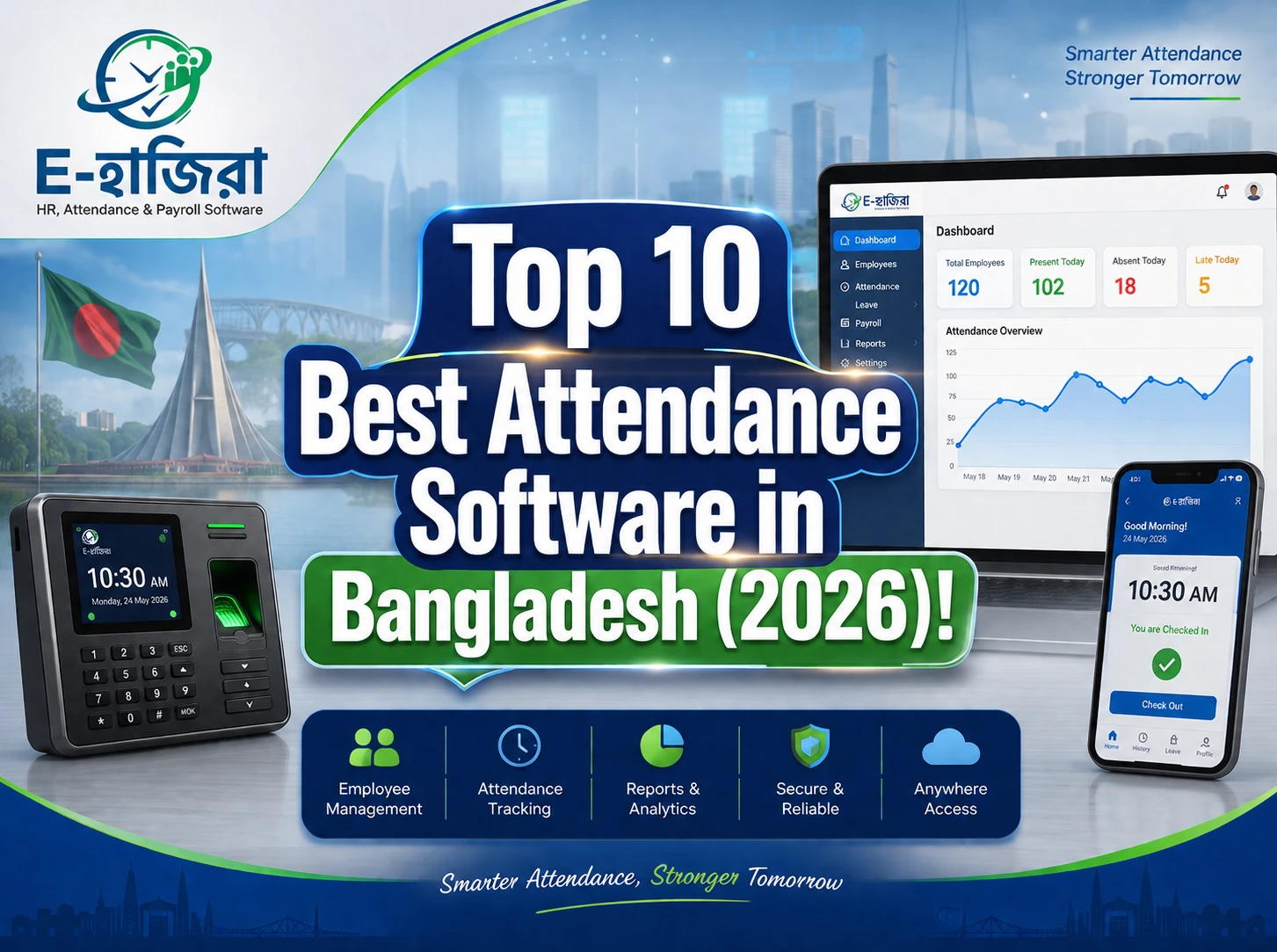
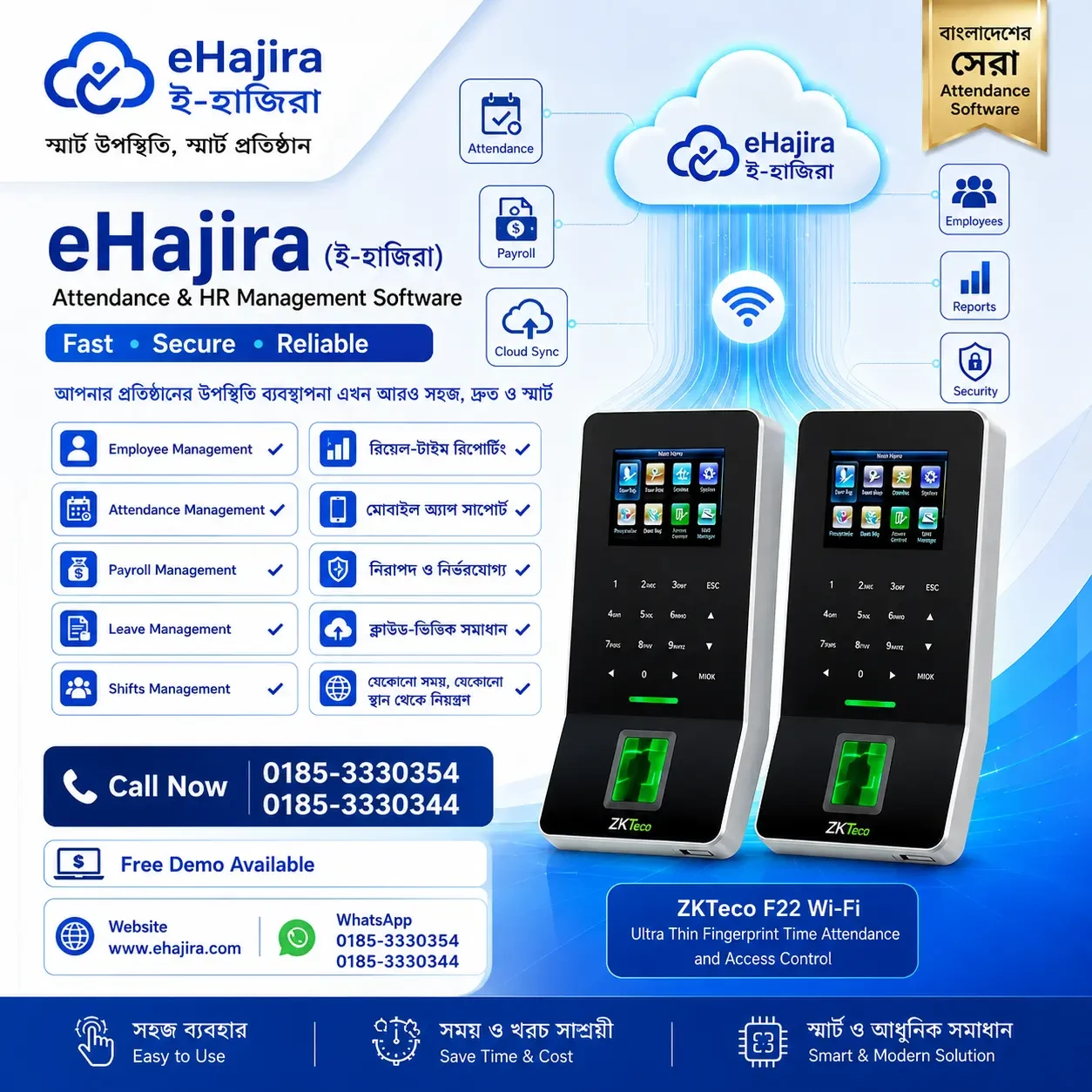
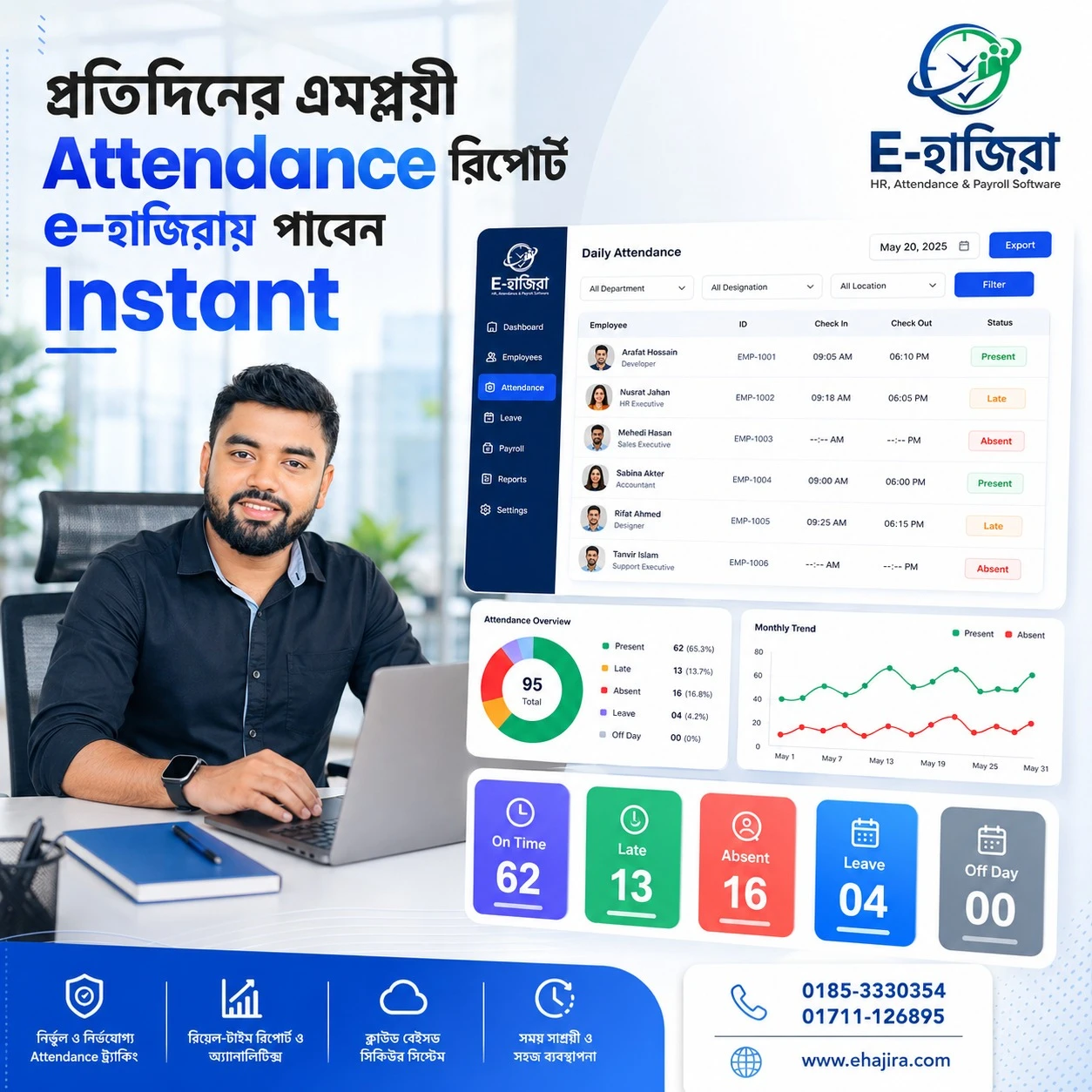
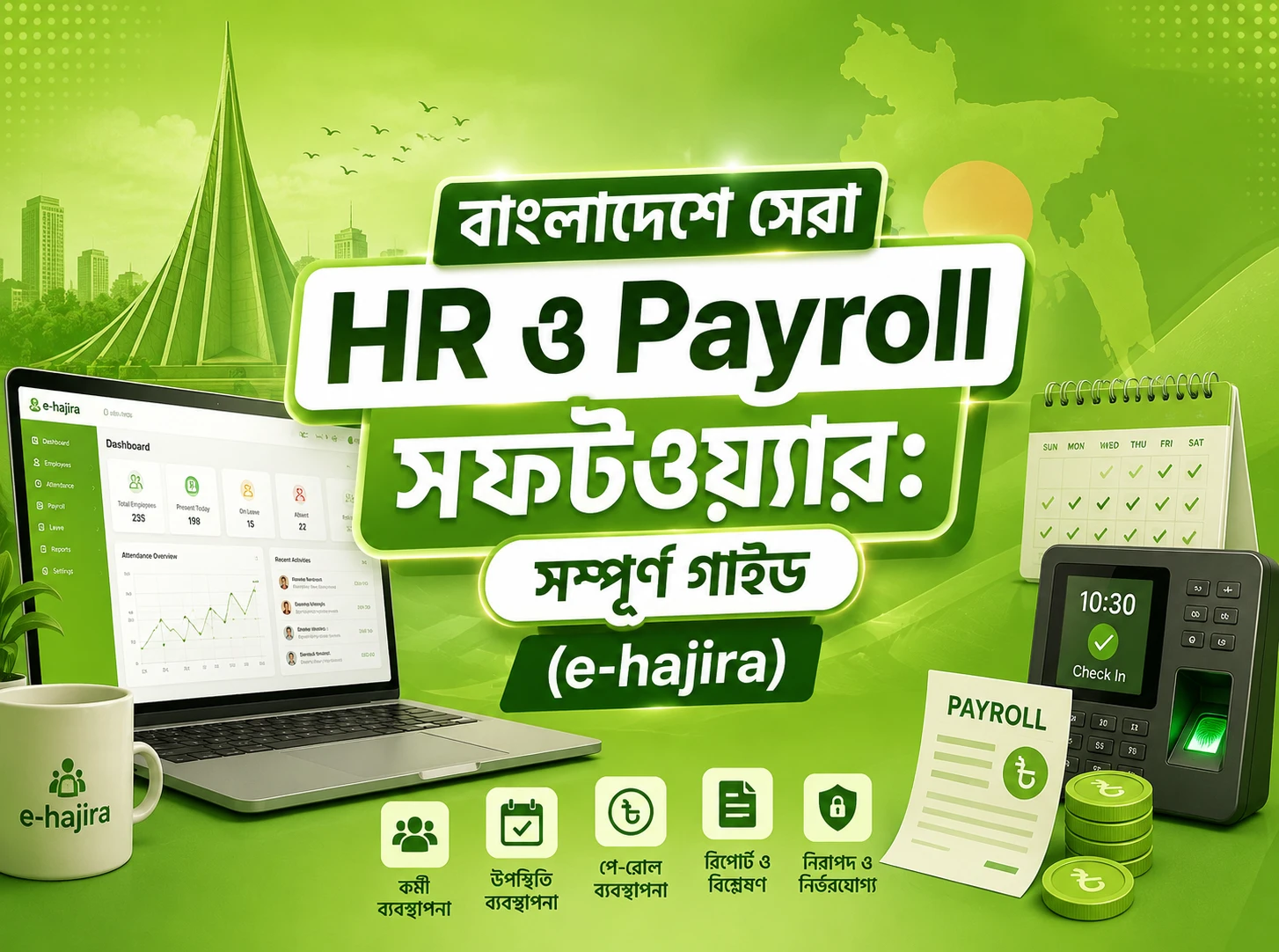
e-hajira is designed for exactly this transition — helping growing businesses move from fragmented, manual HR processes to a single, automated system without jumping straight into an overly complex enterprise platform. It brings the core pieces of HR together: employee data management, payroll processing, attendance and leave tracking, and compliance handling, all connected rather than managed separately.
The goal is to sit in the middle ground many growing businesses actually need — comprehensive enough to handle real HR complexity as the team scales, but simple enough that an HR team can run it without needing a dedicated IT department to support it.
Manual HR vs HR Software: What Is the Best Choice for the Future of Your Business?
Manual HR isn't a mistake in itself — for a small enough team, it can work perfectly well. The problem is that it wasn't built to scale, and businesses that stick with it too long as they grow tend to pay for it later, through errors, lost time, and compliance risk that could have been avoided.
HR software, and HRIS platforms in particular, exist to solve exactly that scaling problem. They automate the repetitive work, cut down on errors, and give HR teams the visibility they need to manage a growing workforce well. For most businesses past the earliest stage, the real question isn't whether to make the switch — it's making sure the switch happens before manual HR starts holding the business back.
Final Verdict:
Manual HR works fine for a small team — but it was never built to scale. As a business adds people, departments, and locations, the cracks that were once minor annoyances (data errors, missed deadlines, slow reporting) turn into real risks: payroll mistakes, compliance exposure, and HR teams stuck doing repetitive admin instead of work that actually grows the business.
HR software solves this by design. Automated payroll, centralized employee data, self-service tools, and real-time reporting remove the manual steps where things tend to go wrong, and free HR to focus on people rather than paperwork. Platforms like Jibika Plexus are built specifically for this stage — giving growing businesses the structure of a full HRIS without the complexity of an enterprise system they don't yet need.
The businesses that come out ahead aren't the ones that switch the fastest — they're the ones that switch before manual HR becomes a bottleneck instead of after. If your team is starting to feel that strain, that's usually the clearest sign it's time to move.
E-hajira Software's Contact:
📞 0185-3330354, 01711-126895
🌐 www.ehajira.com


.webp)