Attendance System
 Access Control
 Door Security
 Turnstile & Entrance Control
 Security Inspection
 Parking Management
 Safety Products
 Software
 Other
From Joining to Induction: Streamlining the Employee Onboarding Process with eHajira
October 26, 2026
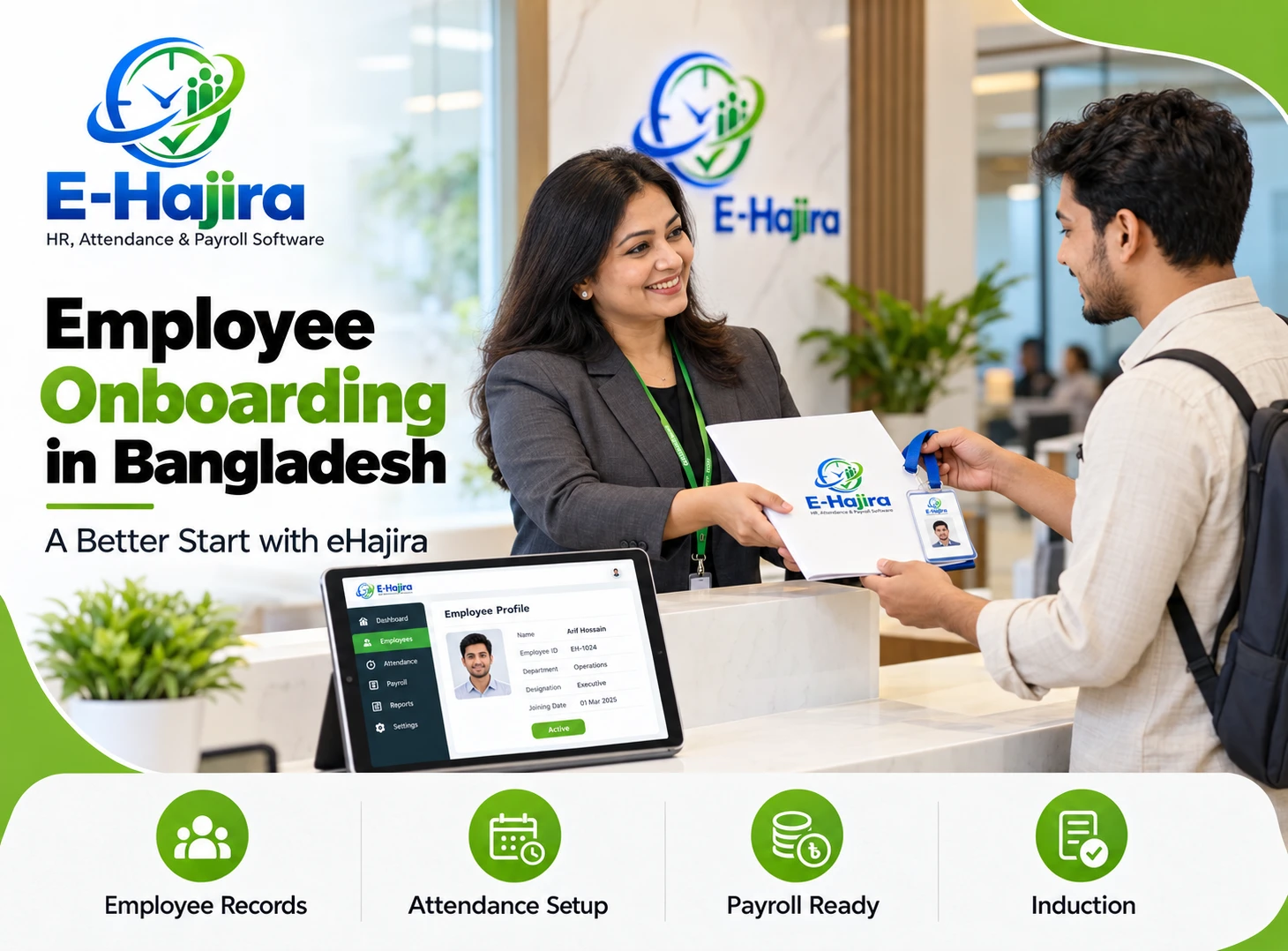
From Joining to Induction: Streamlining the Employee Onboarding Process with eHajira
Welcoming a new employee involves much more than recording a joining date. HR must establish an accurate employee record, coordinate attendance registration, communicate workplace expectations and prepare the information needed for salary processing. Managers must also help the employee understand their responsibilities, colleagues and working environment.
When these activities depend on disconnected spreadsheets, printed forms and informal messages, important details can become difficult to track. A person may start work before their attendance identification is ready, or payroll staff may receive incomplete information close to the salary deadline.
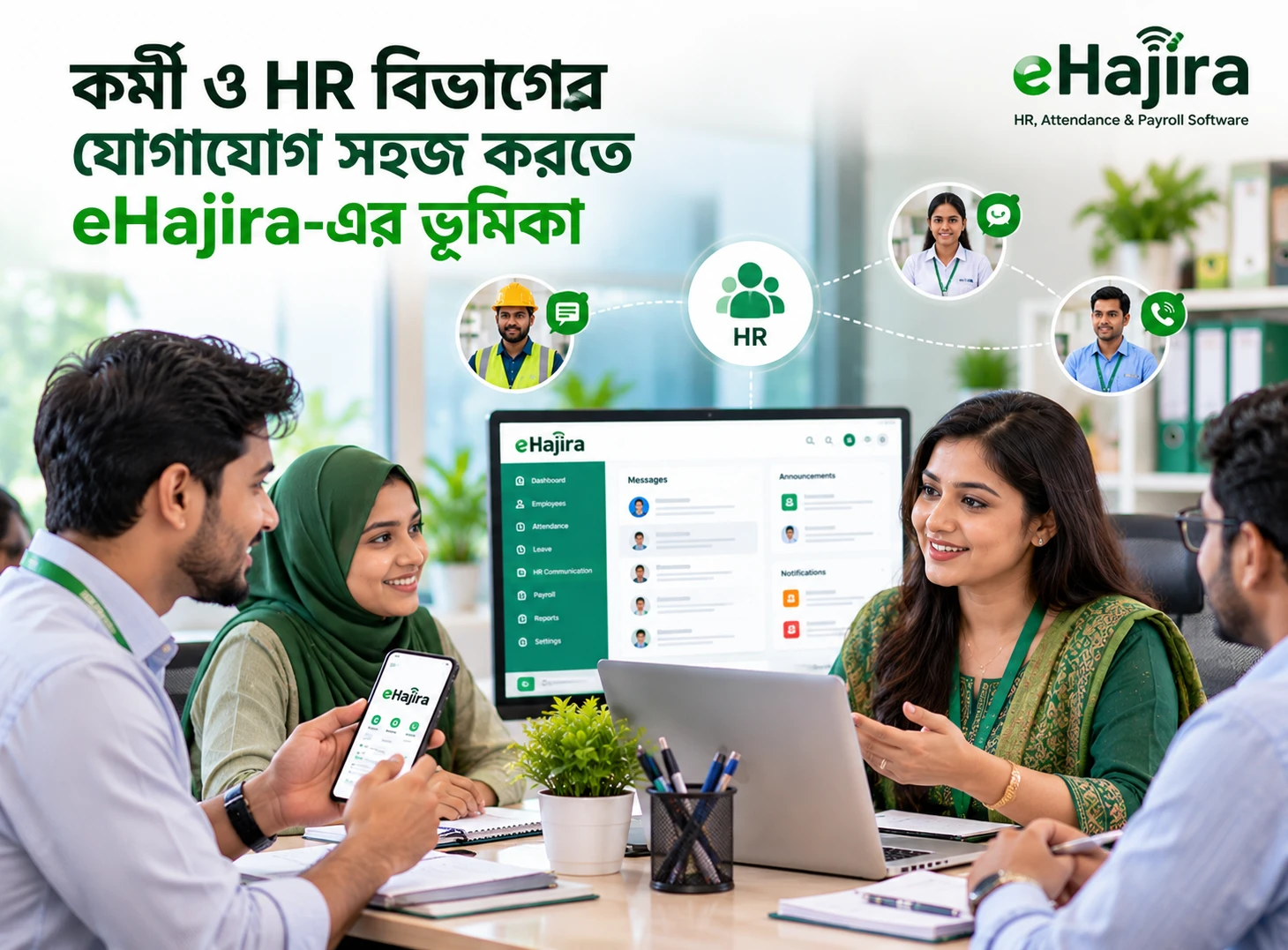
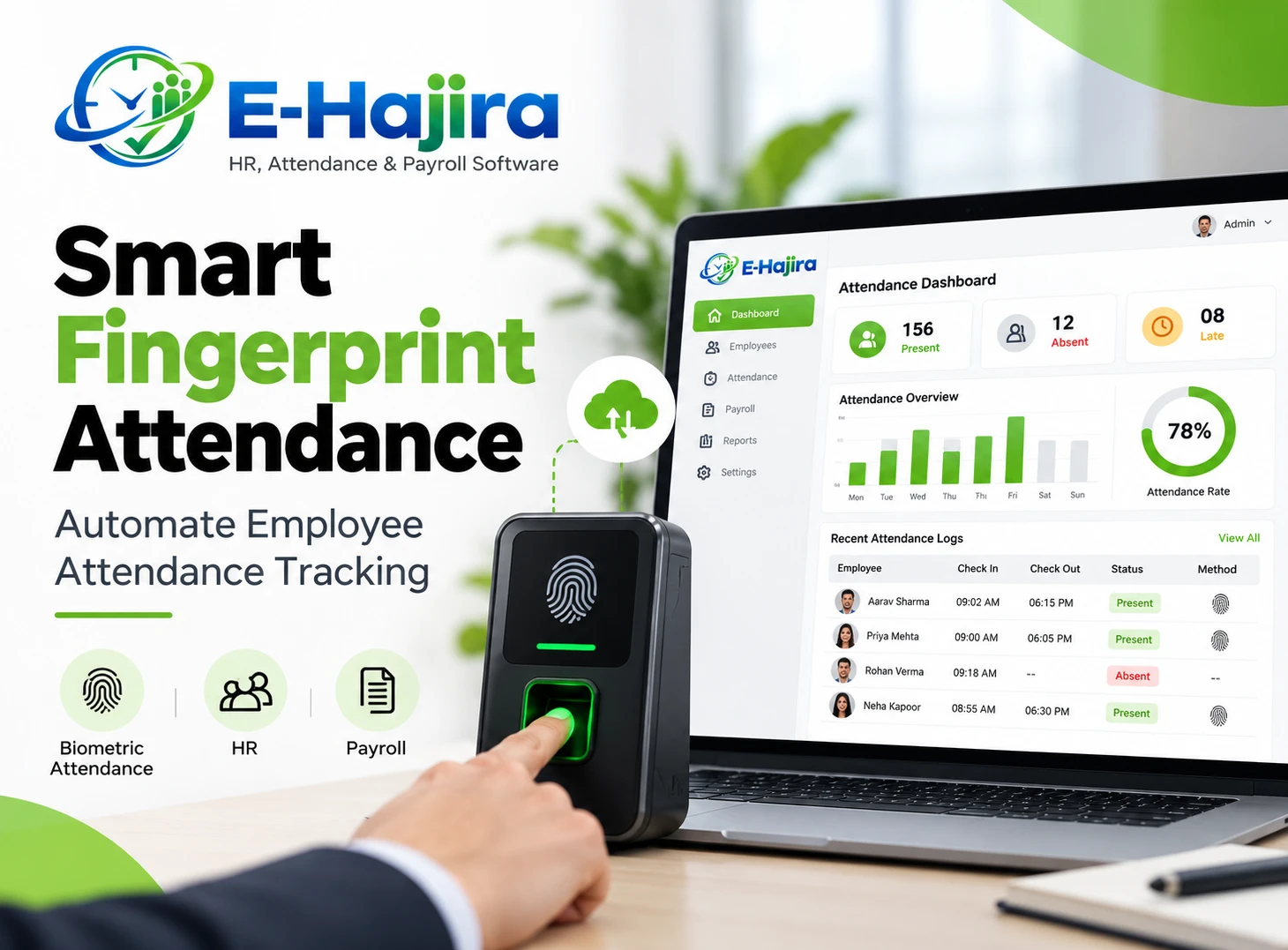
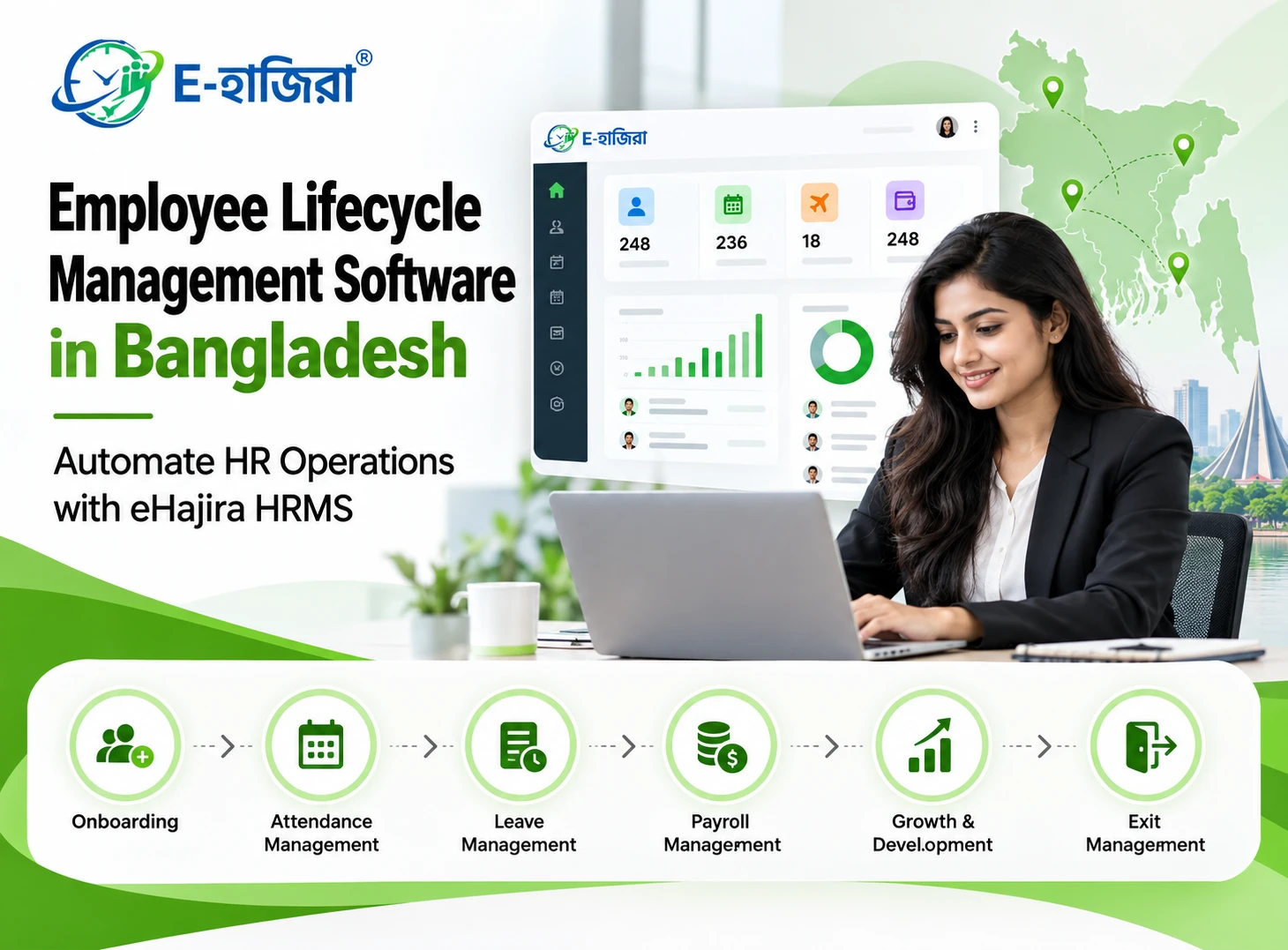
eHajira brings employee management, attendance and payroll functions into a connected HR environment. Its developer, Trimatrik IT, positions the platform around managing employees, tracking working hours and automating salaries. These functions provide a practical foundation for organizing the administrative side of employee onboarding in Bangladesh.
This guide explains how businesses can build a structured joining and induction process around eHajira’s published capabilities. The workflow examples are practical recommendations, while advanced functionality remains dependent on the selected package and implementation.
Understanding Joining, Onboarding and Induction
Employee joining is the formal beginning of employment. It establishes when someone starts, where they work and the position they occupy. Accurate joining information helps HR distinguish between a candidate who accepted an offer and an employee who actually reported for duty.
Onboarding is the broader process of preparing that person to work effectively. It includes administrative registration, access arrangements, attendance setup, payroll preparation and support during the initial employment period.
Induction introduces the organization itself. Employees learn about workplace expectations, communication practices, safety arrangements and available support. These activities overlap, but treating them as separate responsibilities helps prevent gaps. Completing a personnel record does not necessarily mean that someone understands how to request leave or whom to contact when a problem occurs.
Why Structured Onboarding Matters in Bangladesh
A business operating from one office can often coordinate joining activities through direct conversation. That approach becomes harder when recruitment involves several departments, rotating shifts or branches in different cities. The challenge is maintaining consistent information while allowing each location to manage its daily operations.
Bangladesh provides useful examples of formal induction practice. The BRAC Institute of Governance and Development’s published guideline separates preparation before arrival from first-day orientation. It includes attendance instruction, leave-policy explanations and introductions to administrative, finance and IT personnel. This illustrates how employee readiness depends on several teams working together.
For employers, the practical lesson is straightforward: onboarding needs both reliable records and clear ownership. Software helps organize information, while HR and managers remain responsible for explaining policies and supporting employees.
What eHajira Contributes to the Process
eHajira’s published HR modules describe an employee directory, individual profiles, document storage and employment status history. These capabilities help establish an organized record that remains useful after the employee’s first week.
The product’s contribution to onboarding is strongest where joining information connects with everyday workforce administration. An employee should enter the correct organizational structure, become identifiable in attendance records and have the information required for subsequent HR activities.
However, a connected HR platform should not automatically be described as a complete induction learning system. The reviewed sources do not establish universal support for electronic contract signatures, automated induction-course assignments or training certificates. Organizations can design their onboarding process around confirmed functions and discuss additional requirements during implementation.
Establishing an Accurate Employee Profile
A useful onboarding process begins with a clearly identified employee. HR should verify the person’s name, contact details, joining date and employment assignment before treating the record as operational.
eHajira’s employee database and profile management are explicitly included in its Enterprise Basic offering. For manufacturing environments, that package also describes attendance grouping by production line and floor. These functions make accurate employee registration relevant to both HR administration and operational reporting.
A recommended practice is to assign one person responsibility for checking the initial record. Another authorized colleague can review critical details before attendance and payroll use them. This simple separation reduces the chance that a spelling mistake, incorrect assignment or duplicated identity becomes embedded in later records.
Organizing Joining Documents
Joining documents should be easy to locate without circulating unnecessary copies across departments. A manager may need confirmation that onboarding is complete, while HR requires access to the underlying personnel documentation.
The published eHajira module description includes digital storage for employee documents such as contracts, identity records and certificates. This supports keeping relevant files associated with the employee profile. Document storage itself does not verify authenticity or establish that every required document has been received.
Businesses should therefore define a review process alongside uploading. Clear filenames, readable scans and an agreed method of distinguishing current documents from superseded versions make records more usable. Collecting information should also have a defined employment purpose rather than becoming an unrestricted request for personal data.
Preparing the Employee Before Arrival
Preparation should begin once the start date and employment arrangements are confirmed. HR can tell the employee when to arrive, where to report and who will receive them. The supervisor can prepare the first assignment, while administration arranges an appropriate workspace.
For an eHajira implementation, this preparation should also establish which information must be ready before attendance registration and salary setup. The organization should distinguish a planned arrival from confirmed joining.
If someone postpones their start date, HR should communicate that change to everyone relying on the original date. A platform is most useful when the information entered reflects actual events. Creating a record early should never substitute for confirming that the employee has started work.
Connecting New Employees to Attendance
Attendance registration is an essential first-day activity because errors can affect both workforce visibility and employee confidence.
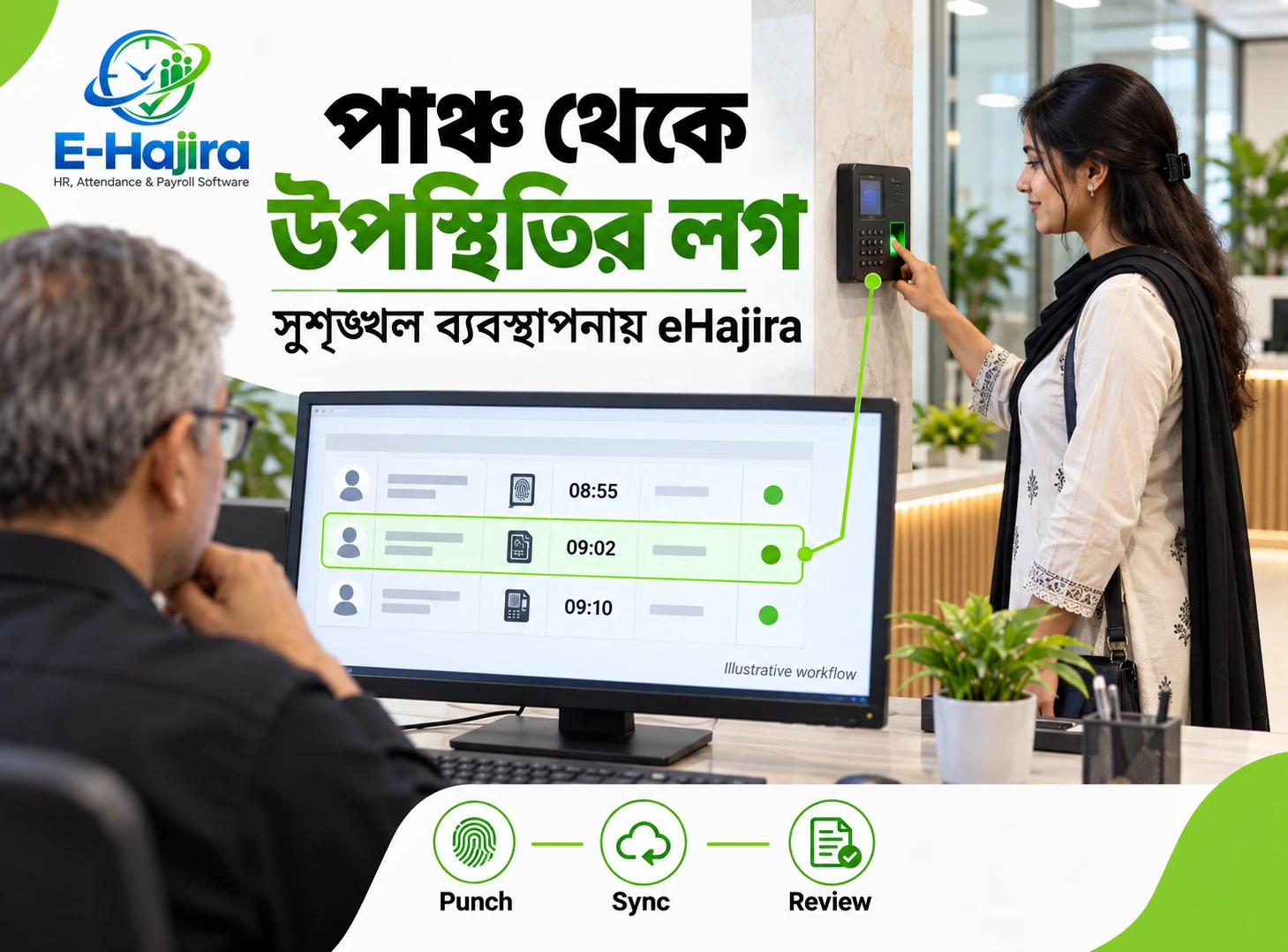
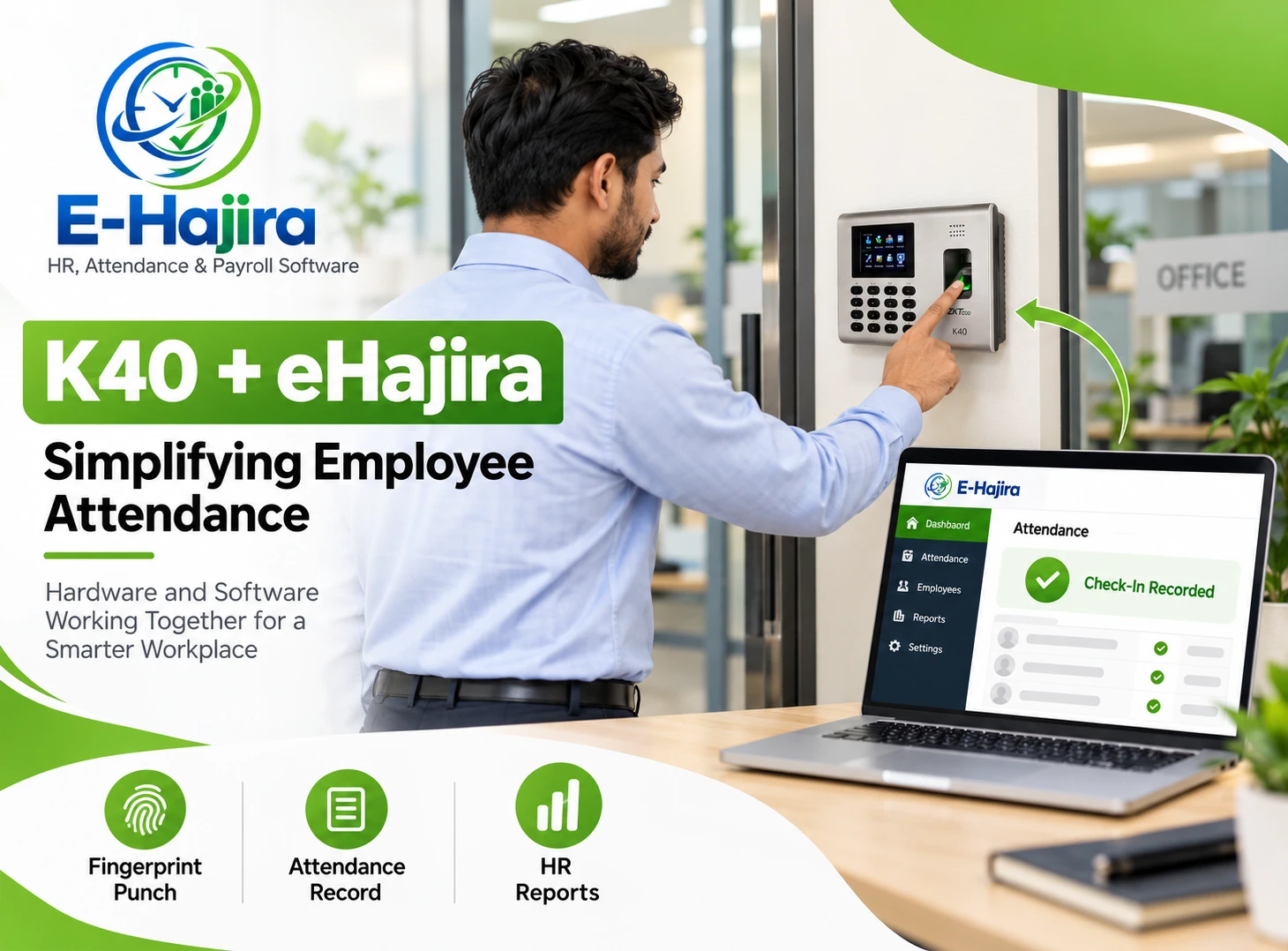
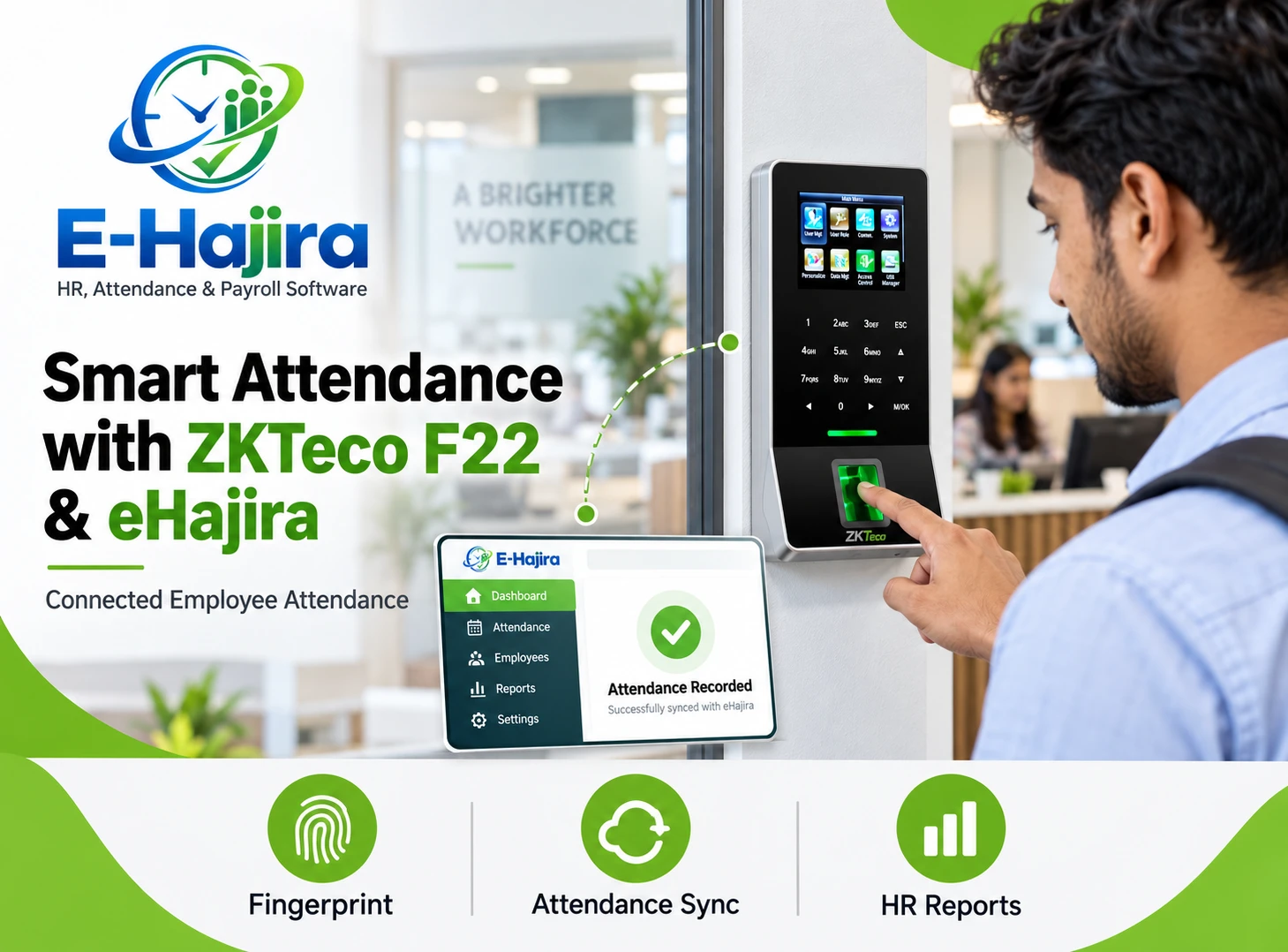
eHajira’s Enterprise Basic specifications describe synchronization with compatible biometric or RFID attendance devices. This allows recorded punches to reach the attendance system through the configured integration. Compatibility and connectivity still need to be established for the organization’s actual devices.
During induction, HR should demonstrate the approved attendance method and supervise a test. The employee should know what a successful punch looks like and whom to contact if a record is missing.
A successful demonstration should be checked against the correct employee identity. Seeing a device accept a fingerprint or card is useful, but confirming the associated attendance entry provides stronger evidence that registration is complete.
Explaining Shifts and Working Arrangements
New employees need a clear understanding of their assigned working hours. In organizations with multiple schedules, an unclear shift assignment can create confusion even when attendance equipment works correctly.
eHajira’s Enterprise Standard package lists shift and roster management, including multiple-shift scheduling. These functions support the administrative side of assigning working arrangements.
The induction discussion should explain the employee’s actual reporting time, work location and process for receiving schedule changes. HR should also clarify how employees report exceptional circumstances.
For example, a new technician attending daytime induction before moving to a night shift needs an explicit transition arrangement. The operational schedule and the employee’s instructions should agree, rather than leaving the person to interpret a system entry alone.
Introducing Leave and Employee Self-Service
Leave procedures should be explained before an employee needs them urgently. New joiners should understand where requests are submitted, who reviews them and how decisions are communicated.
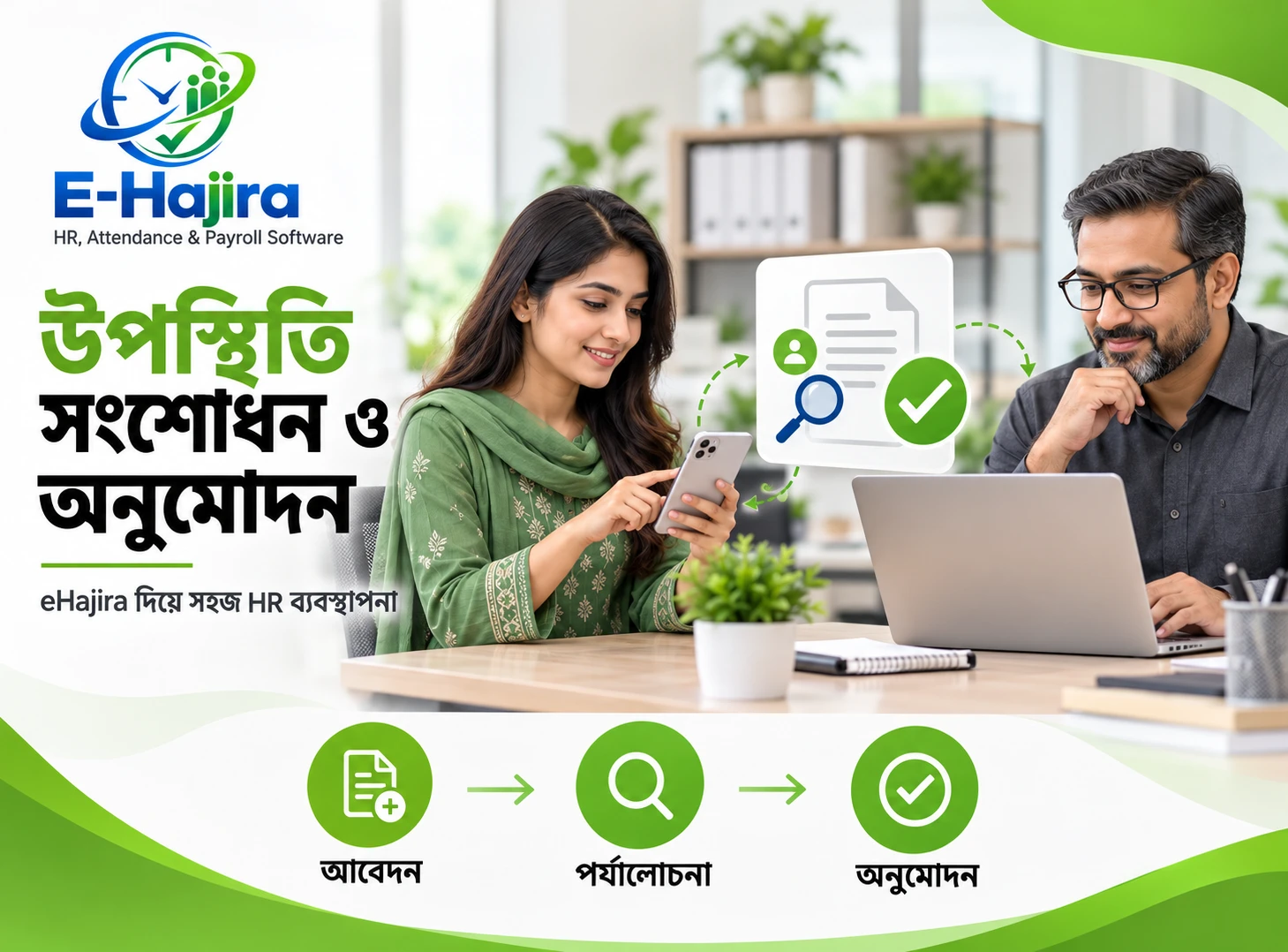
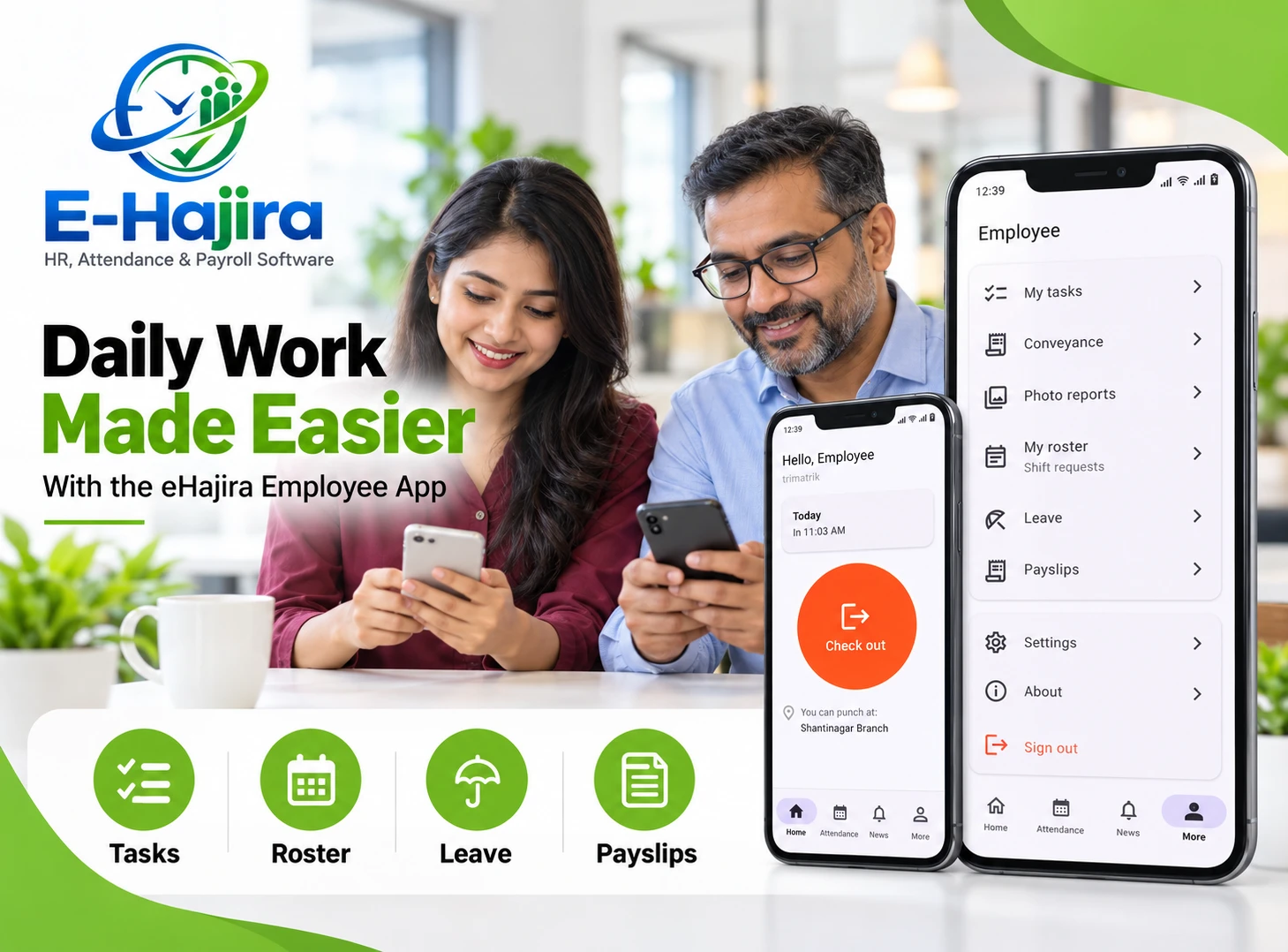
eHajira’s Corporate Standard specifications include a leave application and approval workflow alongside an employee self-service web portal. Where those functions are included and enabled, induction can introduce employees to the appropriate digital process.
A short guided demonstration is often more useful than simply providing login credentials. The employee can practise navigating the available screens and learn where to seek assistance.
HR should explain organizational policy separately from the software interface. A visible option does not necessarily establish eligibility, and employees should not have to infer their entitlements from unfamiliar screen labels.
Preparing for the First Payroll Cycle
The first salary payment is an important test of onboarding quality. Errors at this stage can undermine confidence even when the rest of the joining experience was positive.
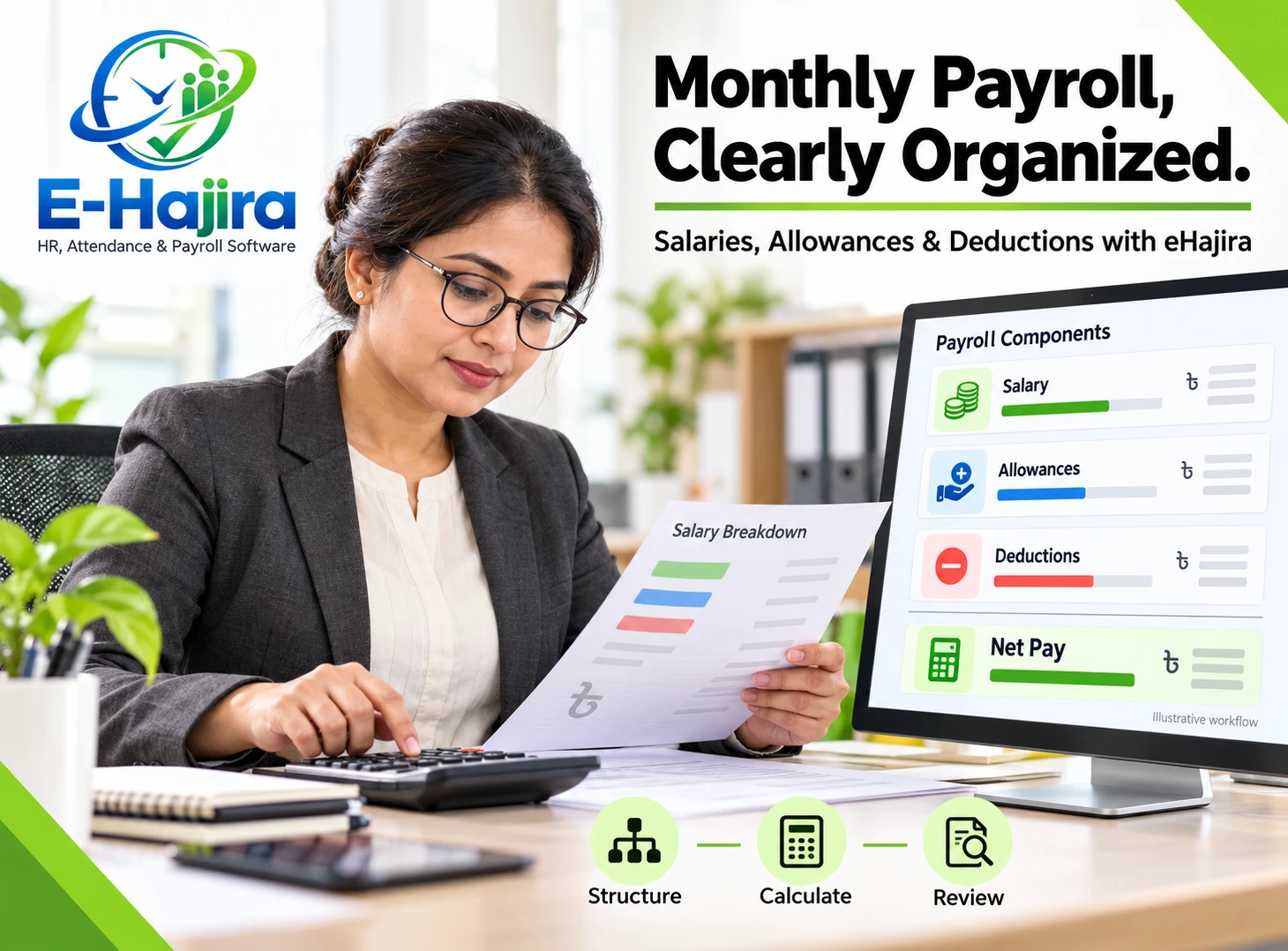
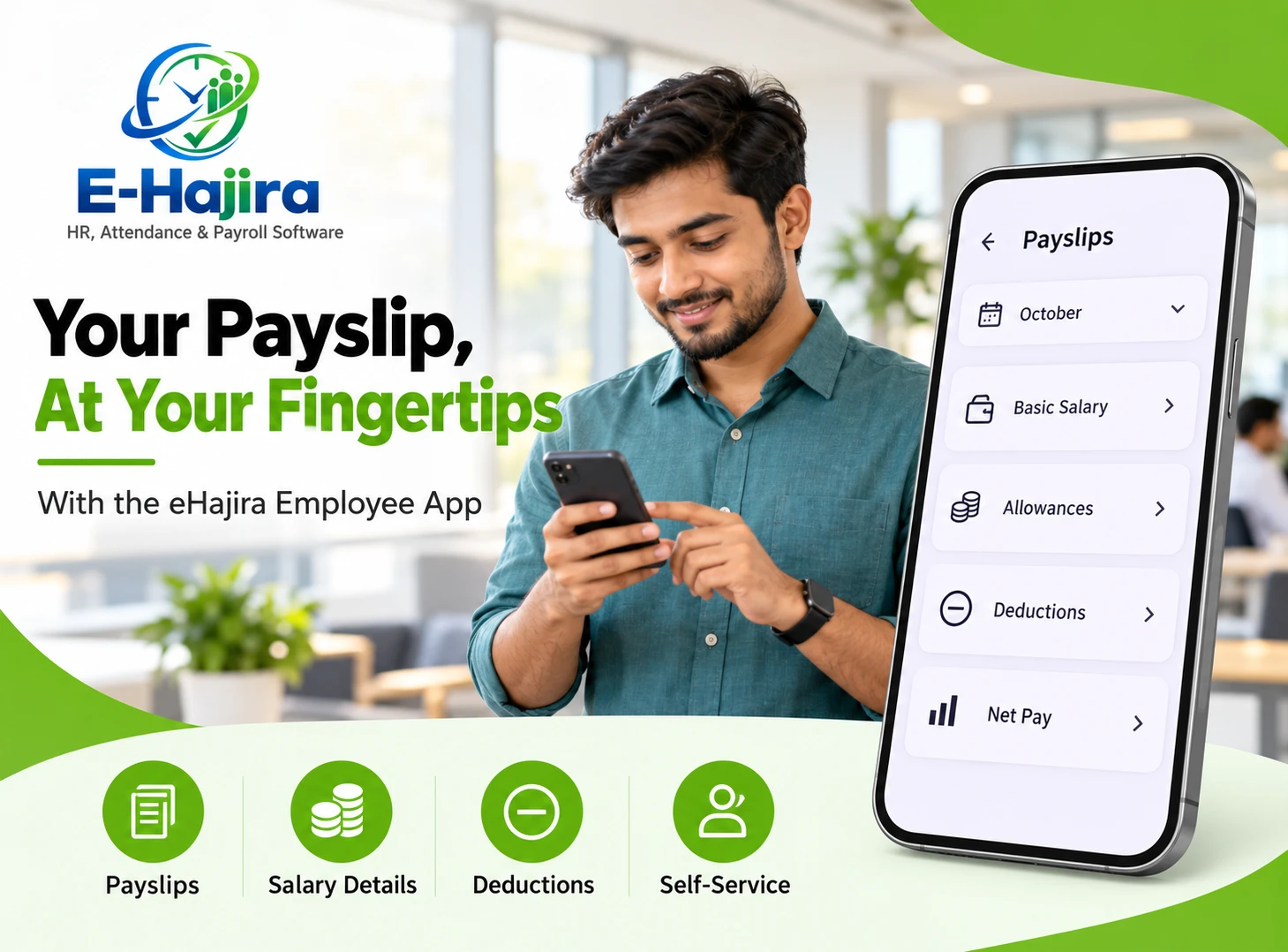
eHajira’s Enterprise Standard package includes automated payroll processing and payslip generation. The practical onboarding connection is that payroll requires reliable employee information and correctly configured inputs before processing begins.
HR and finance should agree on how approved compensation details reach the payroll operator. They should review the joining date, applicable salary components and any incomplete information before the first payroll run.
For an employee joining partway through a month, finance should validate the calculation method against the organization’s approved rules. Software automation should follow an agreed process, with exceptions reviewed before payment authorization.
Coordinating Onboarding Across Branches
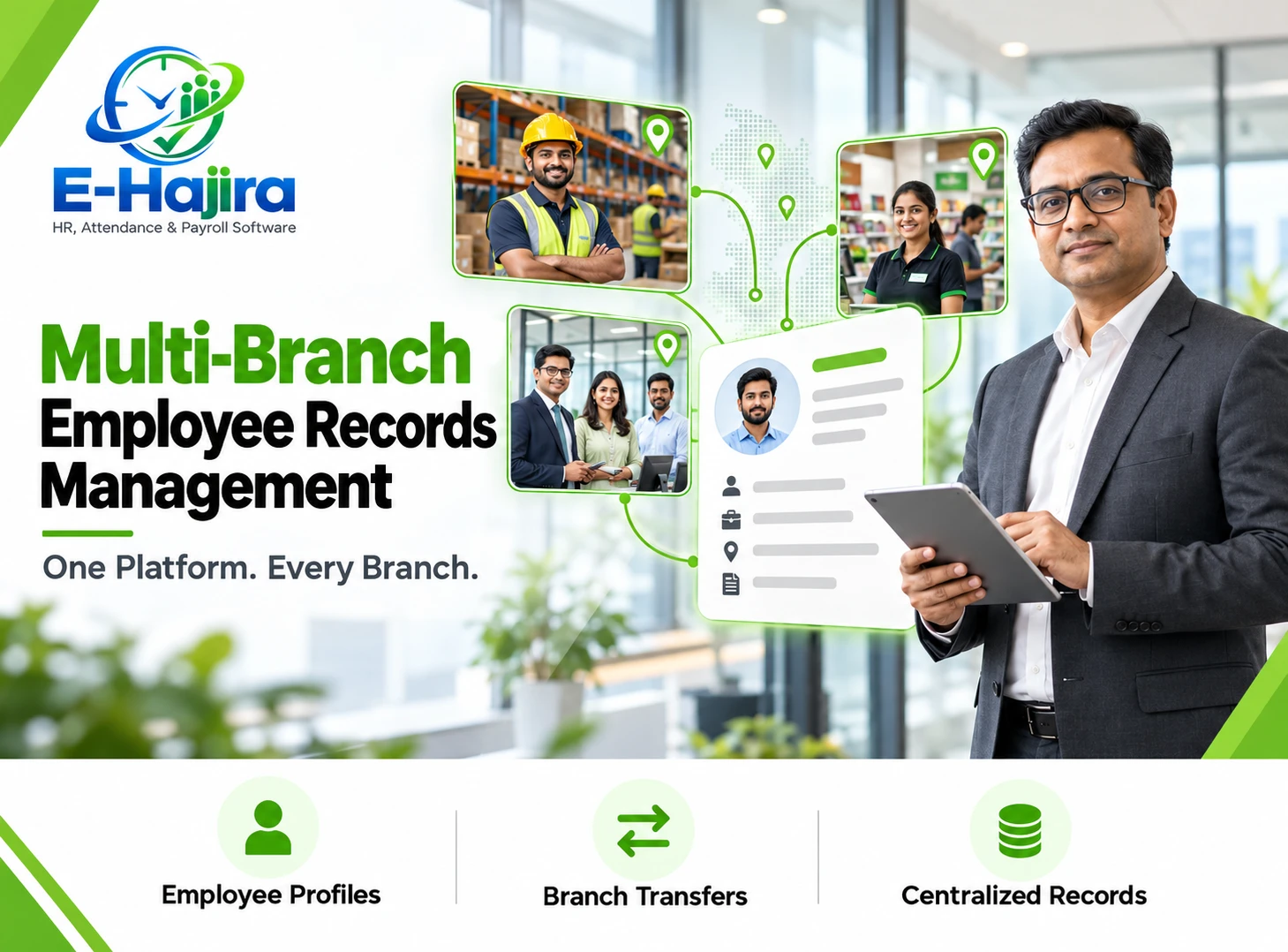
Multi-branch employers need consistent joining standards without losing local accountability. Head office may define the required information, while branch managers confirm arrival, work location and operational readiness.
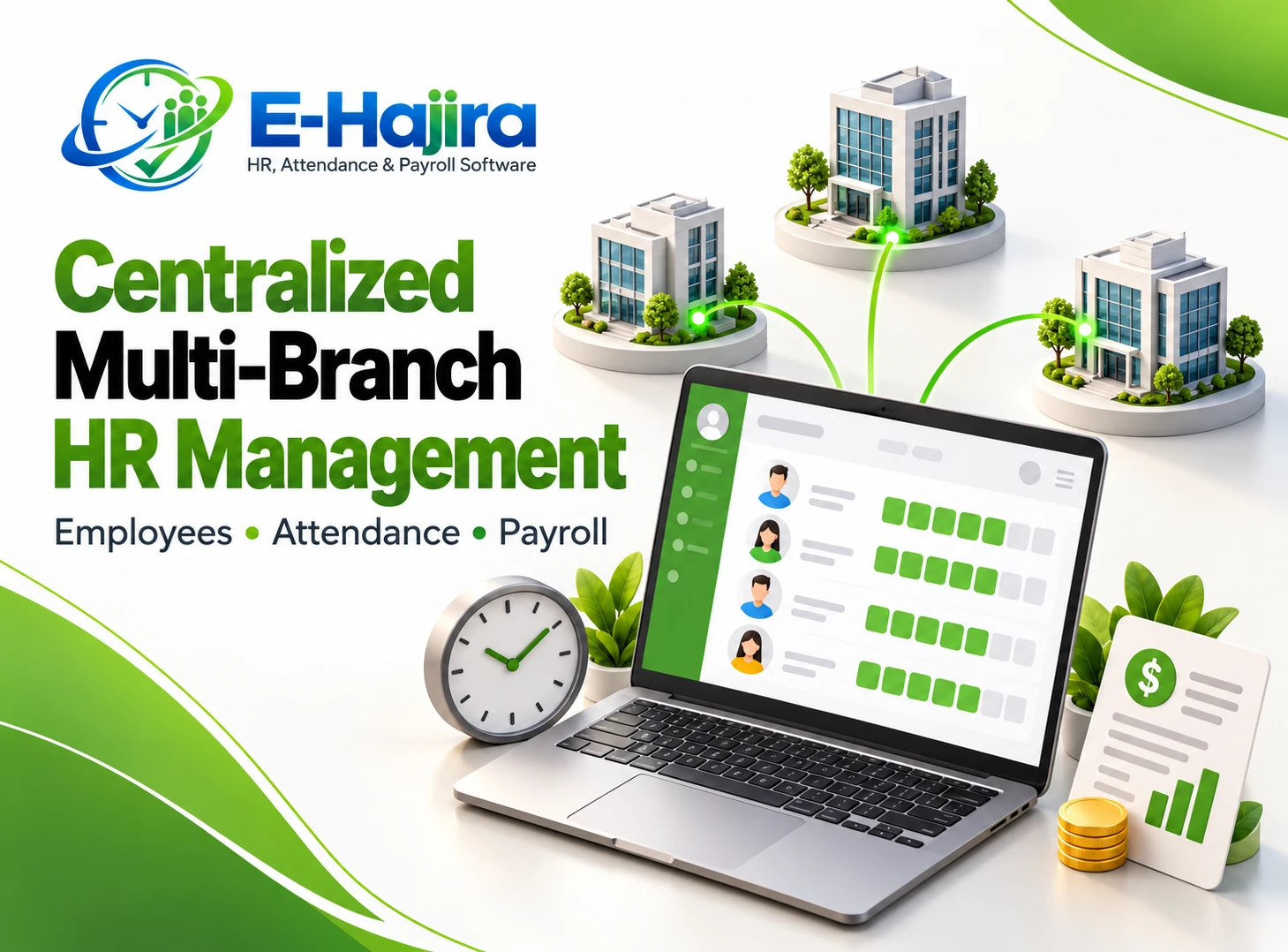
eHajira’s Corporate Ultimate offering for RMG and manufacturing lists multi-branch and multi-company consolidation. This provides a published basis for discussing centralized workforce administration in larger deployments.
A useful operating model separates responsibility clearly. The branch confirms what happened locally, HR maintains the employment record and finance validates payroll readiness.
For example, a retail employee joining in Chattogram should receive the same quality of onboarding information as someone joining in Dhaka. Standardization should make the process dependable while preserving relevant differences in location, supervision and scheduling.
Supporting Batch Joining in Manufacturing
When several employees join together, repeating an unstructured process can multiply administrative problems. Group induction works best when shared explanations are combined with individual verification.
The eHajira Corporate Ultimate manufacturing package specifically advertises worker ID card issuance and batch-wise onboarding for large factory floors. This is a package-specific capability and should not be assumed to appear in every subscription.
An implementation discussion should establish how records are prepared, checked and activated for a joining group. Each employee still needs the correct identity and work assignment.
Group demonstrations can explain attendance procedures efficiently, but individual registration should be tested separately. One successful device test cannot establish that every person in the batch is correctly enrolled.
Making Induction a Human Experience
Administrative automation creates more time for useful conversations, but it cannot replace them. New employees need to understand what good performance looks like, where support is available and how their work contributes to the organization.
BRAC University reported delivering a three-day faculty induction programme in two batches during June and July 2025. This is an example of structured, role-specific induction within Bangladesh; it is not evidence of eHajira usage.
Businesses can apply the same principle at an appropriate scale. An office employee may need guidance on client communication, while a factory employee needs practical instruction relevant to the workplace.
eHajira can support the administrative records surrounding employment. Managers should still arrange introductions, explain responsibilities and give new employees opportunities to ask questions.
A Practical Joining-to-Induction Example
Consider a hypothetical distribution company recruiting twelve employees across Dhaka, Cumilla and Sylhet. Its onboarding objective is to ensure that each person can report to work, record attendance and understand the next steps without repeated calls to head office.
Before arrival, HR verifies the joining information and communicates reporting arrangements. Branch managers prepare work assignments and identify someone to welcome each employee.
On the first day, HR confirms actual arrival, completes the relevant eHajira registration and coordinates attendance testing. Supervisors explain local operations, while employees receive guidance on leave requests and support contacts.
Before payroll preparation, HR and finance review unresolved issues. At the end of the first week, managers ask whether instructions were clear. This is an illustrative operating process, not a claim about a documented customer deployment.
Measuring and Improving the Process
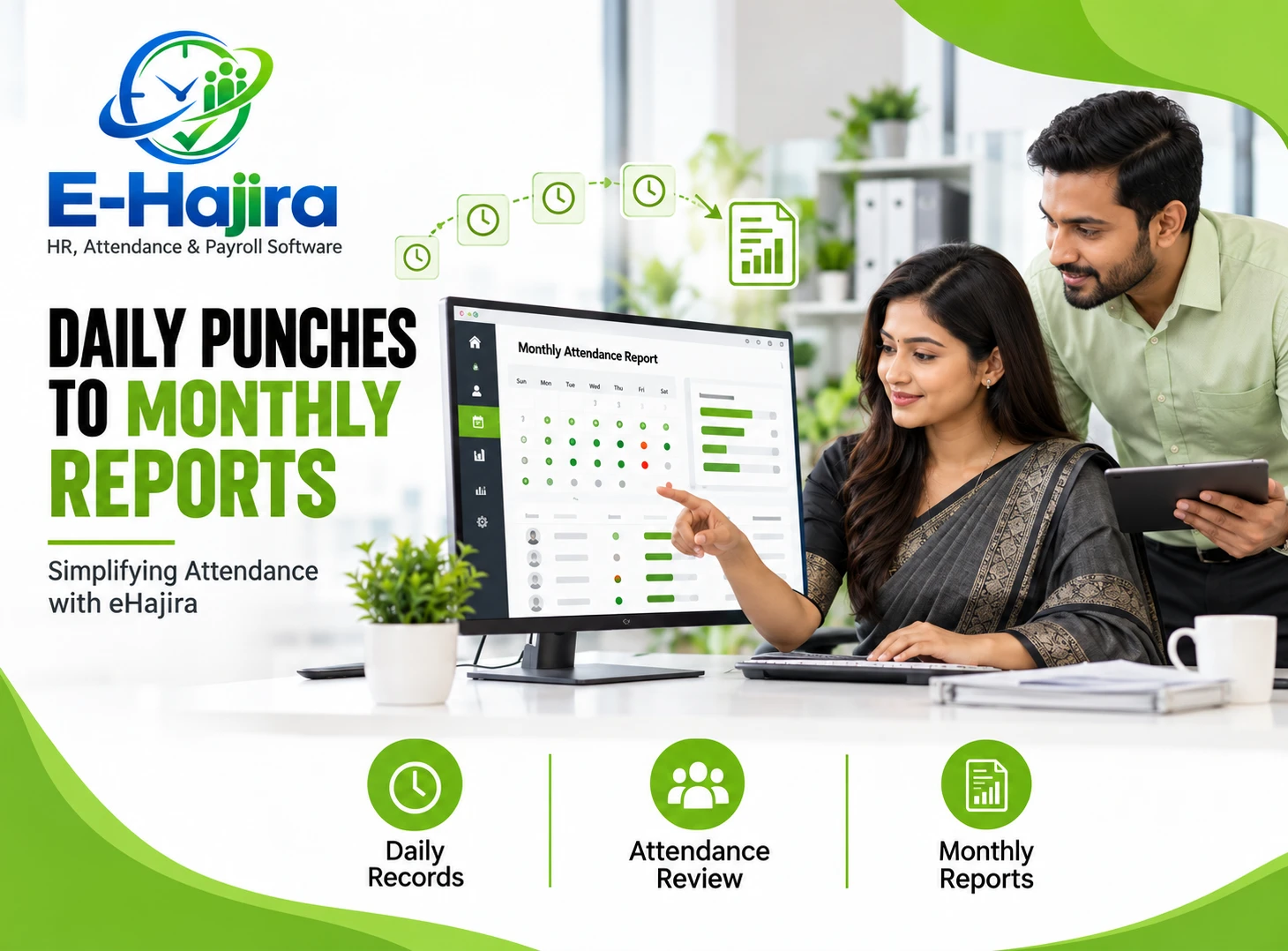
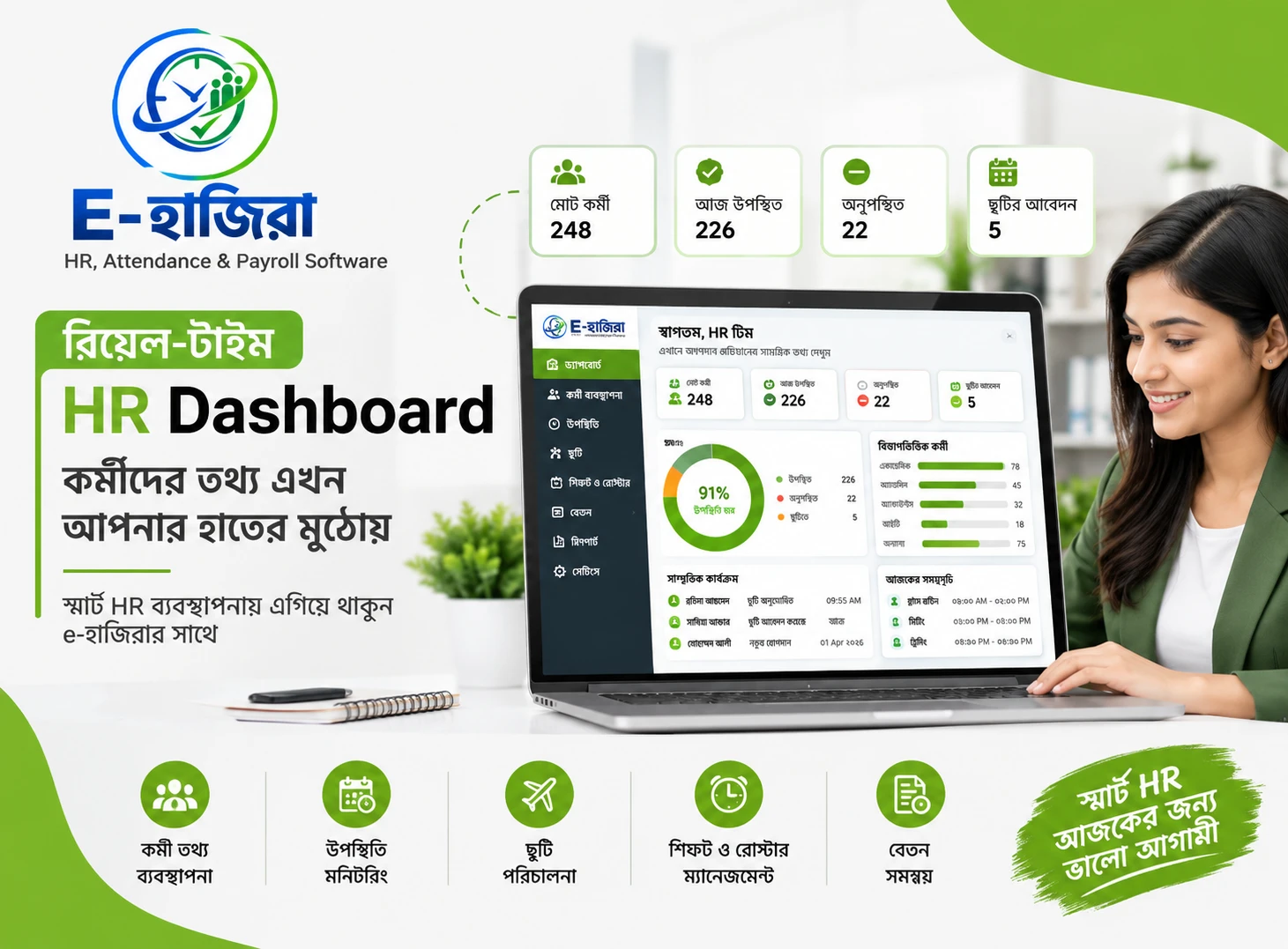
Onboarding improvement should be measured against practical outcomes. Businesses can track how long registration takes, how many new joiners encounter missing attendance records and how often first-month payroll requires correction.
Employee feedback adds another perspective. Someone may have a complete profile yet remain unsure about their supervisor, leave procedure or daily responsibilities. A short follow-up conversation helps reveal these gaps.
These measurements can be maintained through available reporting and a separate management review where necessary; they should not be assumed to exist as dedicated eHajira onboarding dashboards.
Starting with one department or recruitment group makes the process easier to refine. Once responsibilities and data requirements are clear, the business can expand the approach across other locations.
Frequently Asked Questions
1. What is employee onboarding automation?
Employee onboarding automation uses software to reduce repetitive administrative work when someone joins an organization. It can connect employee registration with attendance, leave and payroll processes. Human review remains necessary for verifying information, explaining responsibilities and handling exceptions.
2. How can eHajira support employee joining?
eHajira provides employee management functions that can form the administrative foundation of joining. HR can organize employment information and connect the person to the configured workforce processes. The exact screens, fields and available modules depend on the implementation.
3. Is joining the same as induction?
No. Joining establishes the formal start of employment. Induction introduces workplace practices, people and responsibilities. An employee may have completed registration while still needing guidance about daily work, reporting arrangements and organizational expectations.
4. Does eHajira replace HR staff during onboarding?
No. Its role is to support record management and routine administration. HR still verifies information, coordinates departments and helps employees understand policies. Supervisors remain responsible for introductions, job guidance and practical support.
5. Can eHajira store employee joining documents?
Its published HR module description includes employee document storage. Organizations should confirm the available document controls in their deployment and establish an internal review process. Uploading a file should not be treated as proof that it has been verified.
6. Can it connect new employees to biometric attendance?
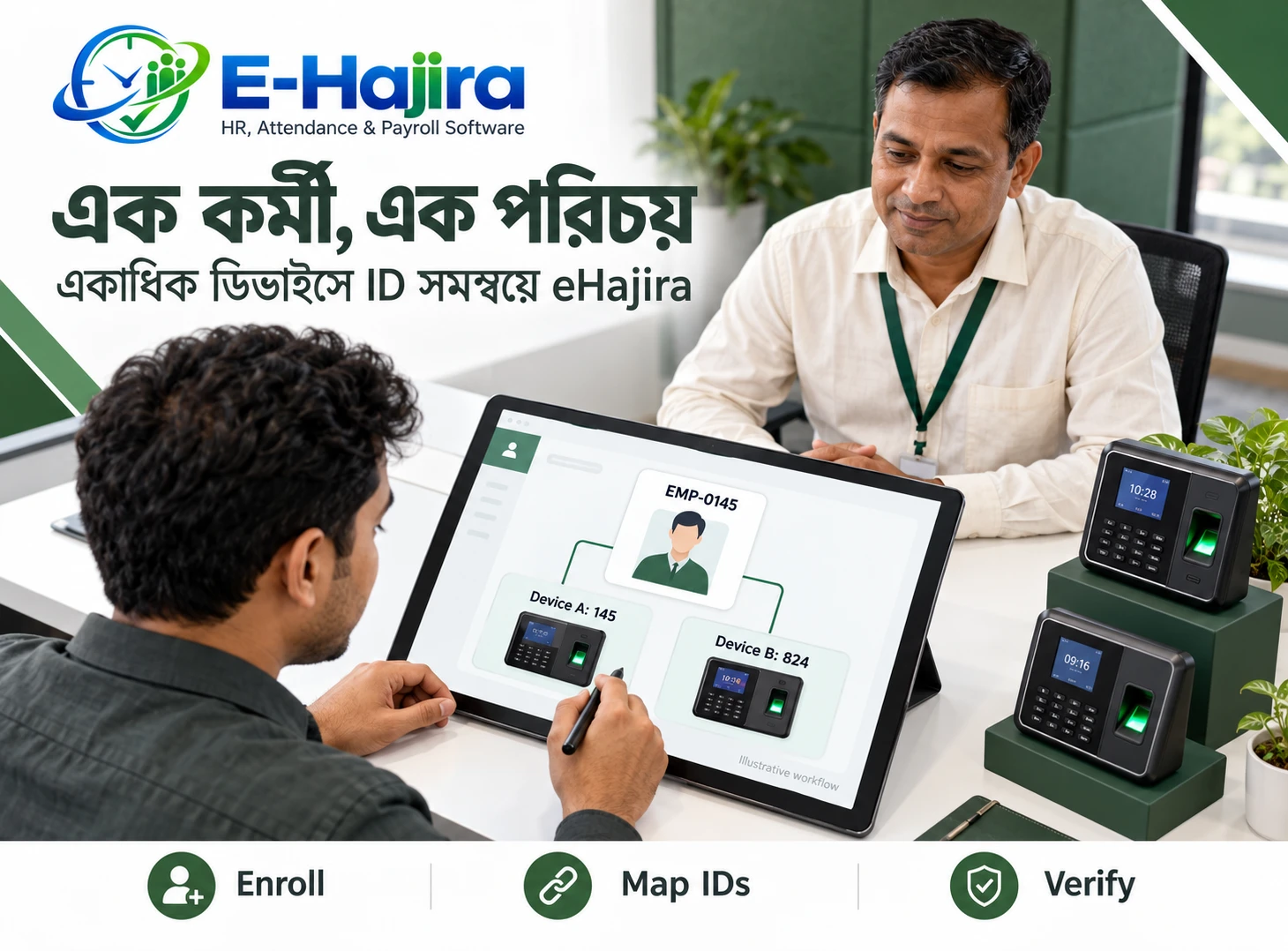
Published eHajira packages support compatible biometric and RFID attendance integrations. During onboarding, the employee’s device identity should be checked against the correct system record. A supervised test helps confirm that attendance registration is working.
7. Why should attendance be tested on the first day?
Testing identifies registration or identification problems before they affect several days of records. It also teaches employees how to use the approved attendance method and what to do if a punch is not accepted or appears missing.
8. Can eHajira help with shift-based onboarding?
Relevant packages include shift and roster management. HR can use the configured scheduling process alongside a clear induction explanation. The employee should understand both the normal working arrangement and how future schedule changes will be communicated.
9. Can employees learn the leave process during induction?
Yes. Induction is an appropriate time to demonstrate the organization’s leave-request process. Where eHajira’s leave workflow is enabled, employees can be introduced to it while HR explains eligibility, review responsibilities and applicable workplace policy.
10. What is the benefit of employee self-service?
Self-service gives employees a direct way to use the functions available to them without routing every routine interaction through HR. Its value depends on clear access arrangements, appropriate permissions and practical instruction during onboarding.
11. How does onboarding affect the first salary payment?
Payroll depends on accurate employment information and approved inputs. An incorrect joining date or unresolved attendance issue can create additional review work. Checking these details before processing helps make the first salary cycle more predictable.
12. Should a mid-month joiner receive special payroll review?
Yes. HR and finance should confirm the effective start date and the applicable calculation method. The first payroll should be checked against approved compensation arrangements, with any exception resolved before payment is authorized.
13. Is eHajira relevant to multi-branch onboarding?
Yes, where the selected deployment includes the required branch functionality. A shared administrative approach can help maintain consistent information while local managers confirm arrival and operational readiness. Responsibilities between branches and head office should remain explicit.
14. Does eHajira offer batch onboarding?
The published Corporate Ultimate package for RMG and manufacturing lists batch-wise onboarding and worker ID card issuance. Employers considering group recruitment should confirm the practical workflow and package scope rather than assuming every edition includes these capabilities.
15. Can eHajira automatically deliver induction courses?
The reviewed public sources do not establish a universal induction-course delivery feature. Organizations requiring assigned lessons, quizzes or completion certificates should discuss those needs separately. Administrative onboarding support should not be confused with a learning-management system.
16. Are automated joining letters and electronic signatures included?
Those capabilities were not established by the reviewed sources. If they are important to the intended process, request a demonstration and written scope confirmation. A document-storage feature alone does not imply automated generation or electronic signing.
17. Should businesses digitize every existing onboarding step?
Not automatically. First examine whether each step has a clear purpose and owner. Digitizing unnecessary requests can preserve inefficient practices. A better approach is to simplify the process before configuring the supporting software.
18. How can smaller businesses benefit?
A smaller employer can establish consistent registration, attendance instruction and payroll preparation before recruitment volume increases. The immediate benefit is a clearer process. Businesses should select functions that match their current requirements and realistic growth plans.
19. How should organizations evaluate onboarding improvements?
Compare registration time, attendance exceptions and first-payroll corrections before and after the revised process. Ask employees whether they understood their responsibilities and support channels. Combining operational evidence with feedback gives a more useful assessment than speed alone.
20. What is the best way to begin with eHajira?
Start with a representative joining scenario and demonstrate it from employee registration through attendance and payroll preparation. Confirm package scope, assign internal responsibilities and pilot the process with a small group before extending it across the organization.
Build a More Consistent Employee Start with eHajira
A successful onboarding process helps employees become administratively ready and personally confident. Accurate records, working attendance access and clear payroll preparation create the foundation, while thoughtful induction helps people understand their role.
For businesses in Bangladesh, eHajira offers a practical platform around which to organize these connected HR activities. Begin with the joining problems your organization needs to solve, demonstrate the relevant functions and build a repeatable process that gives every new employee a clear, supported start.